
The best wildlife food plot isn’t always the one with the biggest bag of seed; it’s often the one that lets nature do the work.
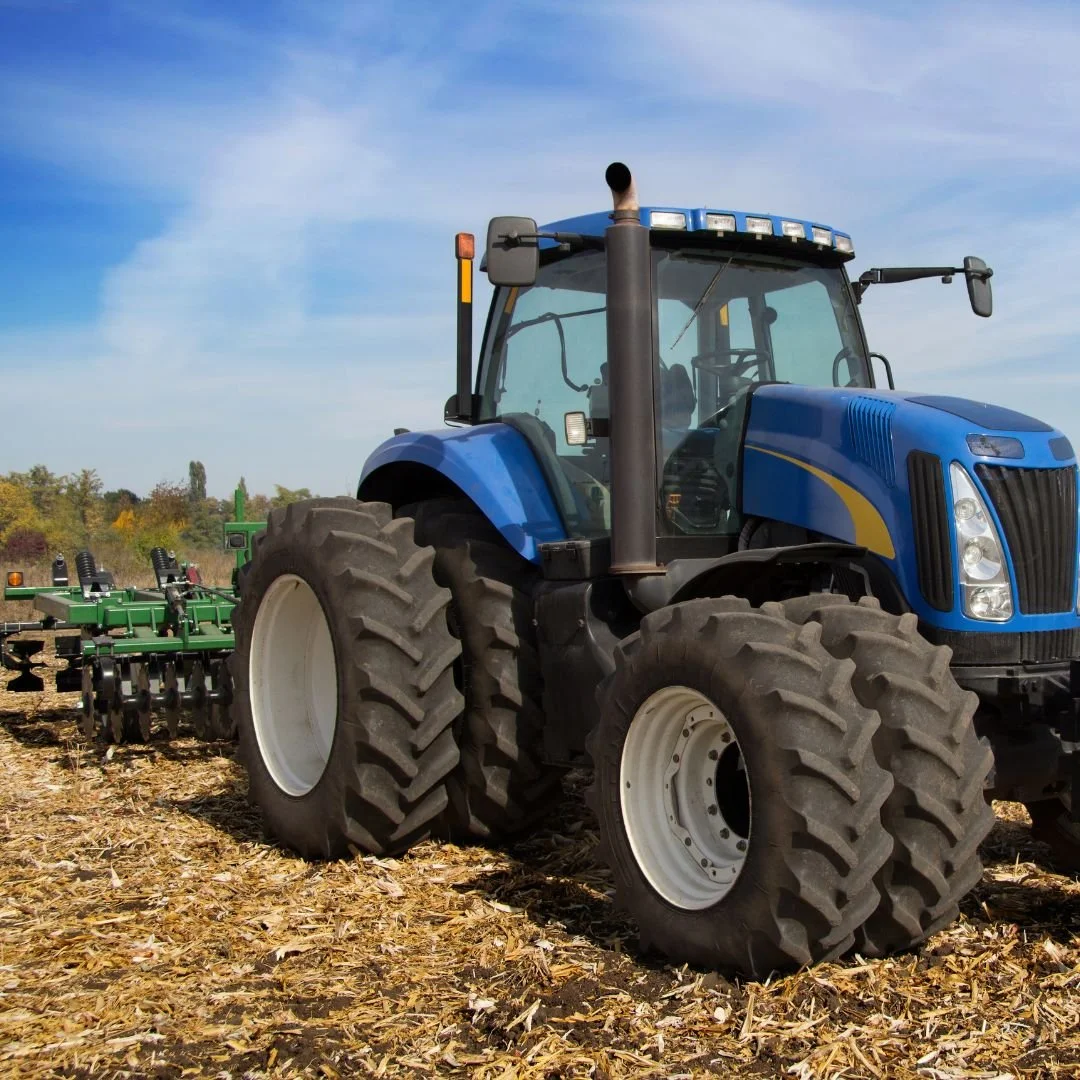
How much tilling should you be doing? With no-till becoming very popular, it’s an important question.
No-till farming has become one of the most widely promoted practices in agriculture for good reason. In this approach, farmers use specialized tools to place new seeds directly in the residue of previous crops without turning over the earth. This reduces erosion, conserves soil moisture, builds organic matter, and saves both time and fuel. For row-crop farmers focused on maximizing yield while protecting soil, this is an outstanding system.
But wildlife management isn’t production agriculture, and here the pros and cons of no-till approaches are more complex. If your goal is producing bigger bucks, more turkeys, thriving quail populations, and healthier pollinator communities, then the question isn’t simply “Which system saves money?” The question is “Which system produces the habitat wildlife actually need?”
The Hidden Cost of Never Disturbing the Soil
Many of the Southeast’s most valuable wildlife plants are disturbance-dependent species like common ragweed, pokeweed, beggar’s-lice, and native Lespedezas. Their seeds can remain dormant in the soil for years, waiting for sunlight and exposed soil before they germinate. When a field is left in continuous no-till, their opportunities become limited. Over time, grasses become more dominant, plant diversity declines, and thick layers of residue prevent many beneficial annual forbs from emerging. While the soil may become healthier, the habitat often becomes less diverse. For wildlife, that diversity is everything.
Why Strategic Tillage Works
A single pass with a disk may cost $25 to $50 per acre in fuel, labor, and equipment wear. At first glance, that seems like an unnecessary expense. But if that one pass produces thousands of pounds of high-quality wildlife forage without buying a single bag of seed, that math looks very different.
This is what we see happen on many properties.
Strategic tillage stimulates the native seedbank, allowing naturally occurring plants to flourish. Species like partridge pea, crotons, and dozens of other beneficial forbs often emerge with little more than sunlight and soil disturbance. These aren’t weeds; they’re some of the most valuable wildlife plants you’ll ever grow.
Wildlife Gets More Than Just Forage
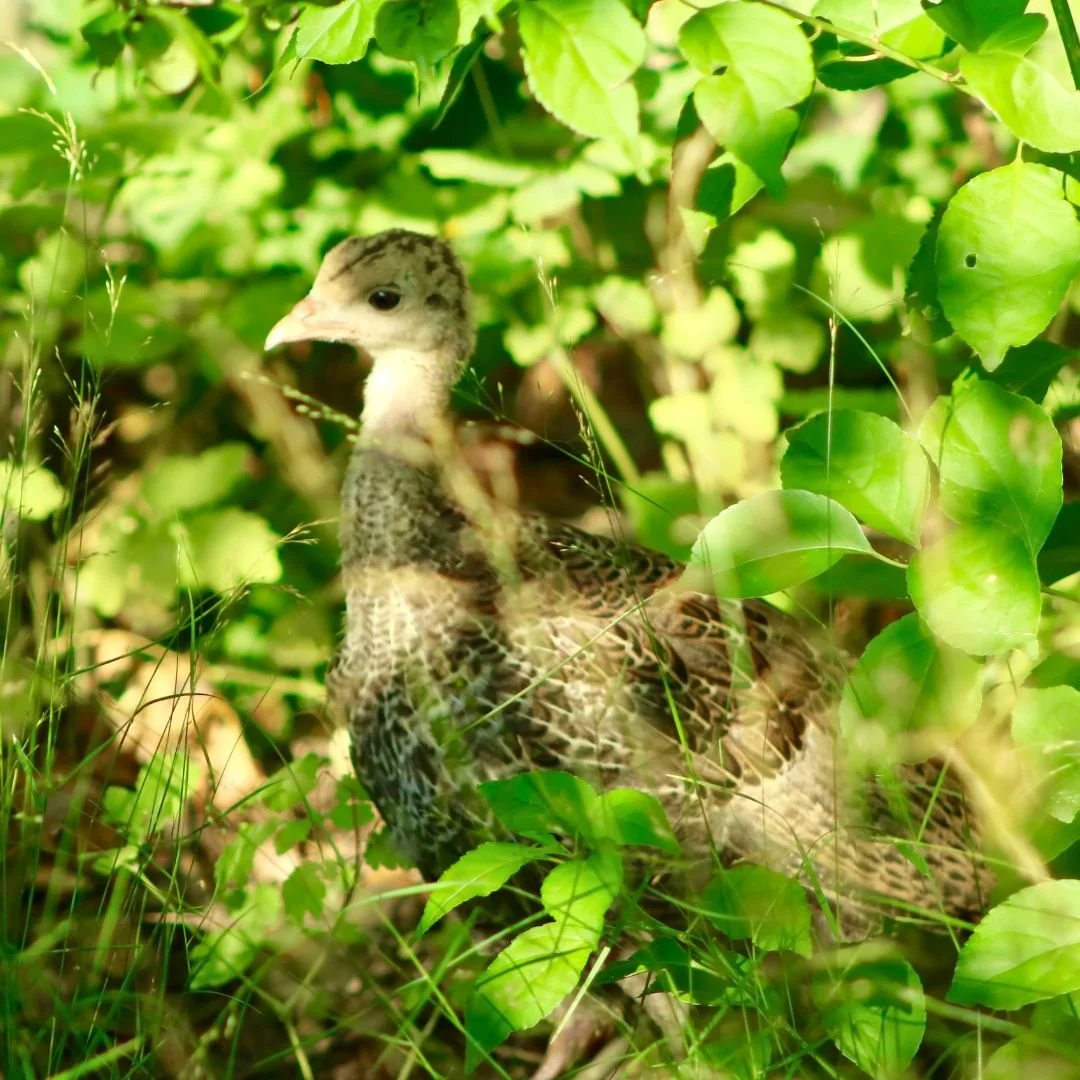
Turkey poults thrive in the diverse habitat that can be obtained with selective tillage.
Native forbs do far more than just feed deer. They provide protein-rich browse throughout the growing season, produce seeds consumed by turkeys and quail, support pollinators, and create the insect-rich environments that turkey poults and quail chicks depend on during their first few weeks of life.
Perhaps even more importantly, they create the structure many game bird species need. A healthy stand of native forbs offers overhead cover while leaving open ground underneath, allowing young birds to move easily while feeding on insects. This combination of cover and mobility is one of the defining characteristics of quality brood habitat.
No commercial food plot blend can replicate the ecological value of a diverse native plant community.
Where No-Till Still Wins
None of this means no-till is a poor management practice. Quite the opposite: no-till remains one of the best tools available for establishing annual food plots while protecting soil health.
It offers several advantages:
Lower fuel and labor costs
Less soil erosion
Better moisture retention during dry falls
Increased organic matter over time
Improved soil biology
Reduced fertilizer requirements as soils mature
If your objective is consistently producing crops like cereal grains, clovers, or brassicas, no-till is difficult to beat.
The Best Wildlife Managers Don’t Choose Sides
The most successful wildlife properties aren’t managed with an “all no-till” or “all conventional tillage” mindset. Instead, they use disturbance intentionally. Dedicated food plots can be maintained with no-till systems that preserve soil health and reduce annual expenses. Elsewhere on the property, strategic disking on an annual, two, or three-year rotation can rejuvenate native plant communities, create exceptional brood habitat, and provide abundant natural forage for deer and other wildlife.
Add prescribed fire where appropriate, and the results become even more impressive.
The Bottom Line
No-till may be one of the best systems for growing crops and strategic tillage may be one of the best systems for growing wildlife habitat. Both can be true.
Understanding the differences, and the pros and cons of each is what separates farming from habitat management. The goal isn’t to choose one practice over the other now and for all time; it’s to understand when each tool creates the greatest return for your property and your wildlife objectives.
At Private Land Management, we help landowners build management plans based on science, not trends. Whether your goal is growing mature bucks, increasing turkey populations, restoring quail habitat, or simply making better management decisions, we’ll help you determine which practices fit your land, your budget, and your long-term vision.