
Insights
Get timely news and information to better manage your recreational property from the experts at Private Land Management.
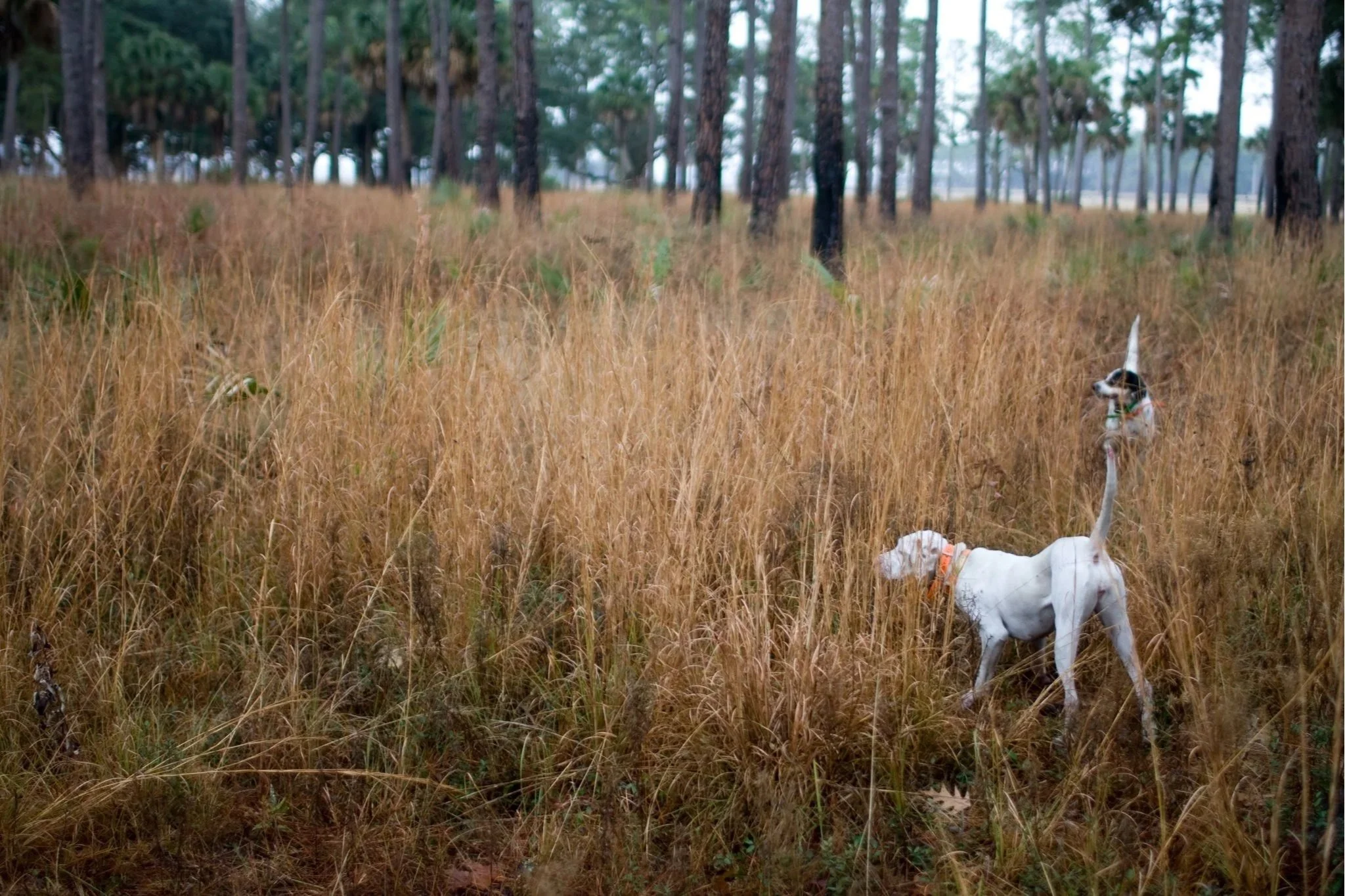

Summer (Not Winter) Is When the Big Deer Are Built
Many landowners assume that winter is when they need to ensure the deer on their property have enough to eat. But what if summer is the truly critical season?
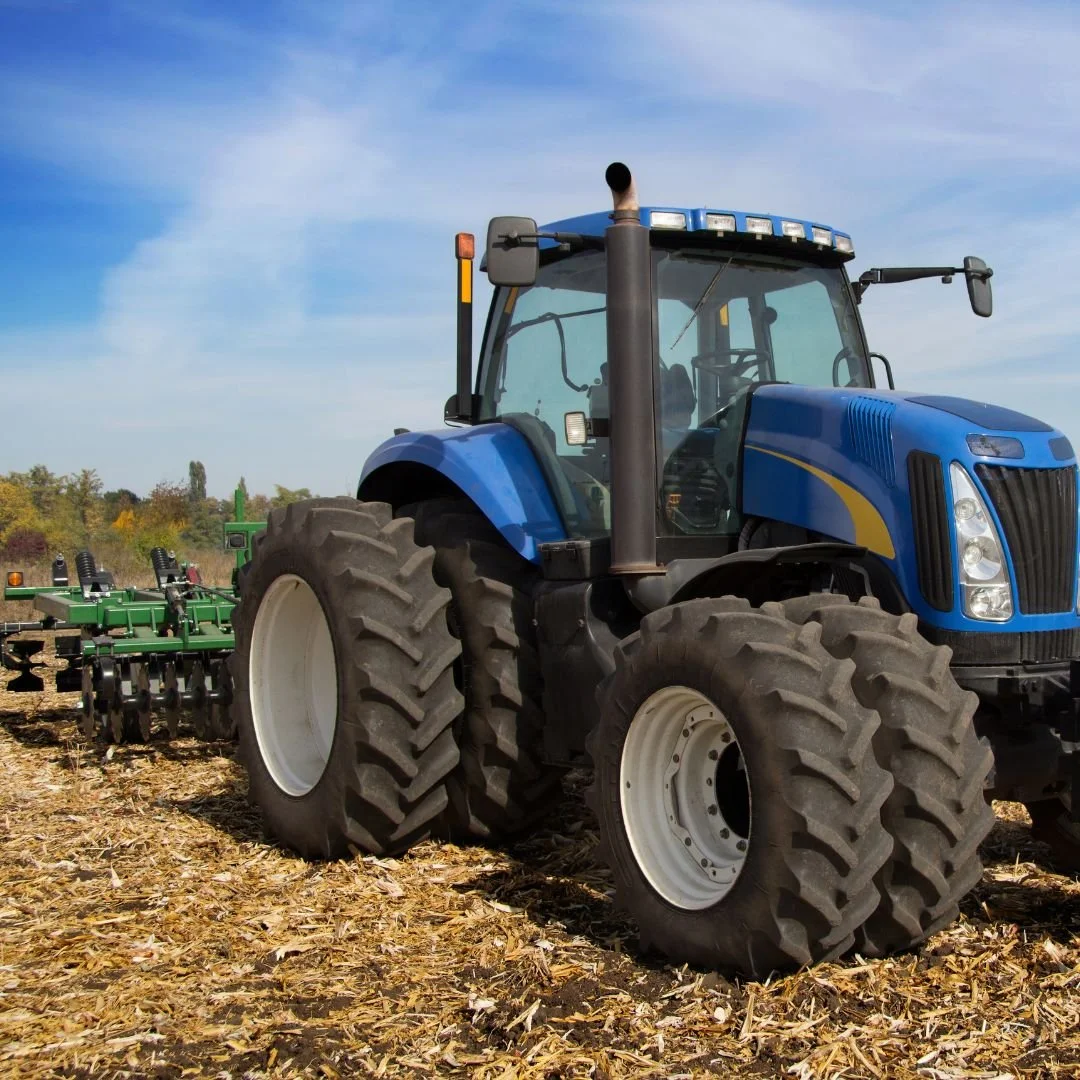
No-Till vs. Conventional Tillage: Which Produces Better Wildlife Habitat?
No-till farming is unmatched for protecting soil health, but wildlife habitat thrives on intentional disturbance. While continuous no-till can limit plant diversity, strategic disking unlocks dormant native seedbanks—growing high-protein forage and brood cover that no commercial seed blend can replicate. Learn when to use each system to maximize your land’s potential for deer, turkeys, and quail.
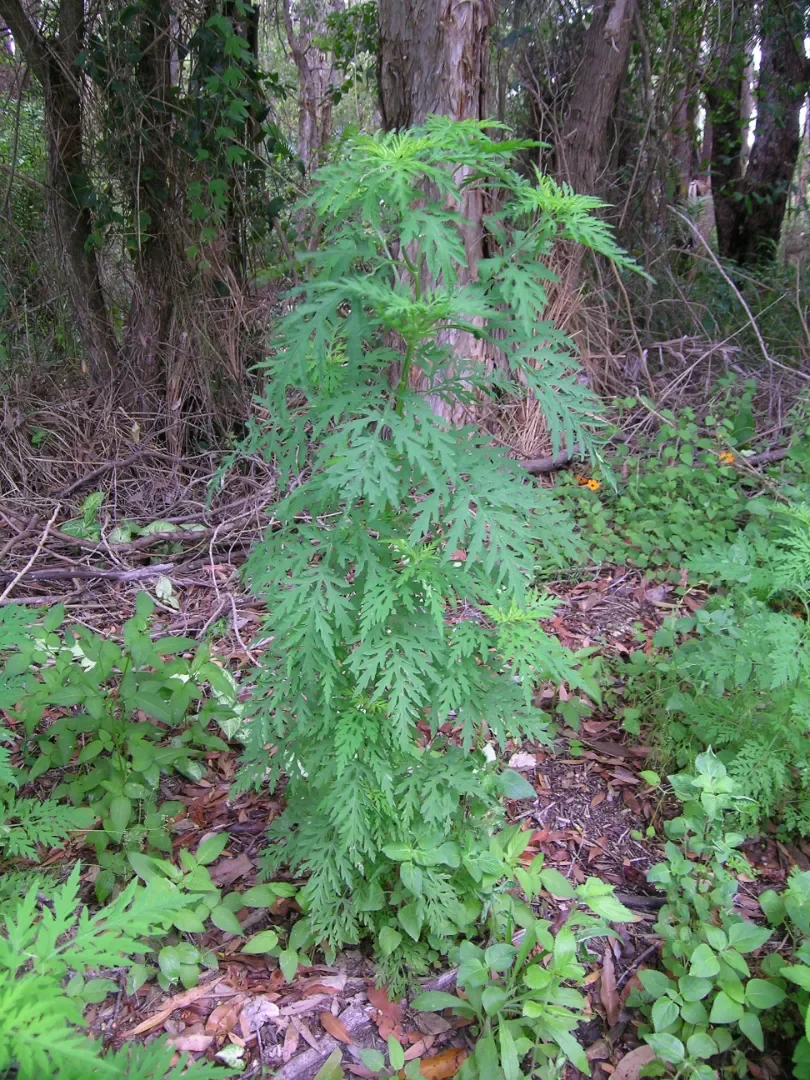
The Best Food Plot May Not Be One You Planted
Weeds aren’t necessarily a problem on your property. Some of them are the best food source you can ask for, benefiting the biodiversity on your property and boosting your deer and turkey populations.
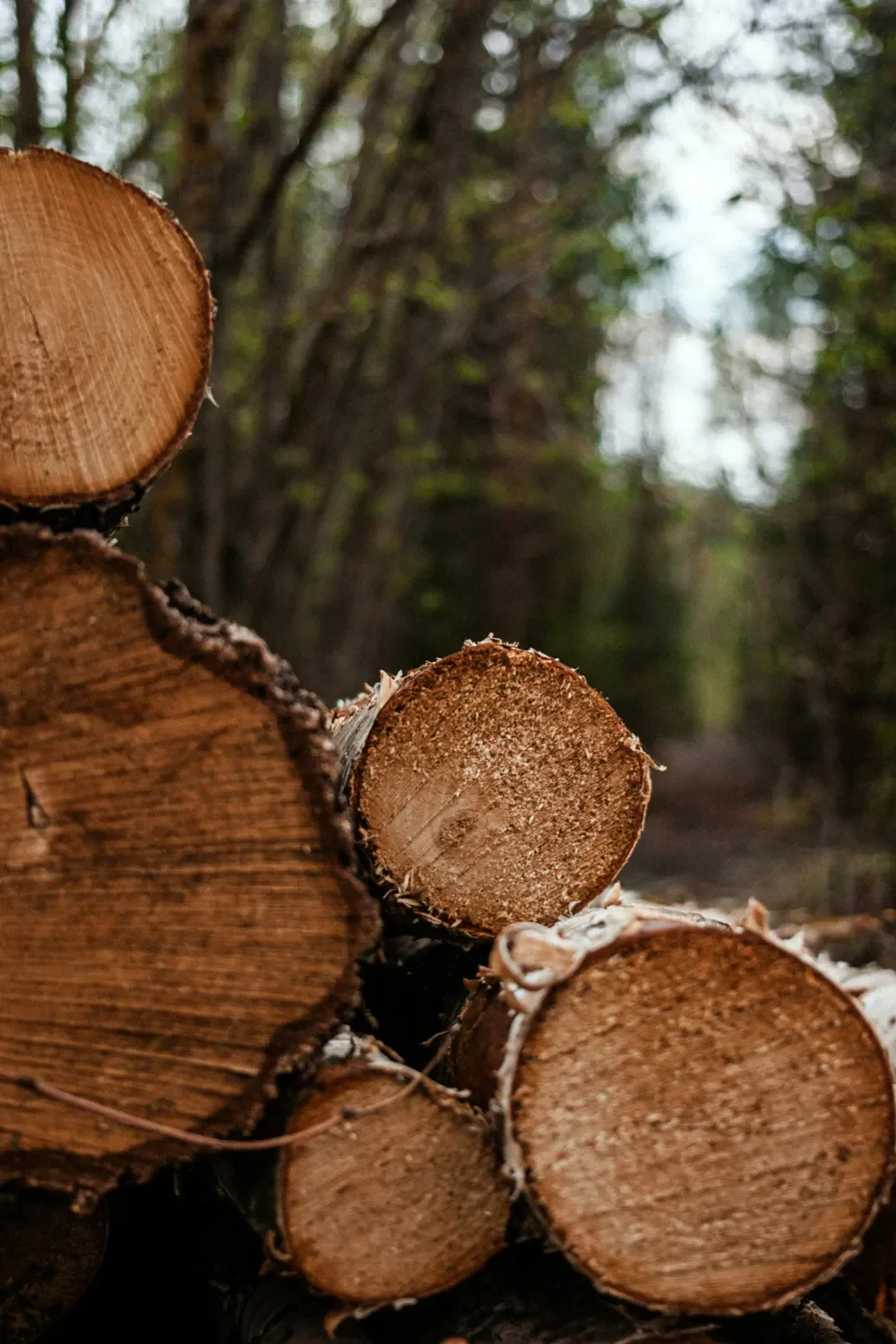
Georgia’s Timber Industry is in Upheaval, and Wildlife May Pay the Price
Mill closures in Georgia are putting downward pressure on timber and creating a surplus of trees on timber tracts. How will this affect wildlife on these properties, and what steps can you take?
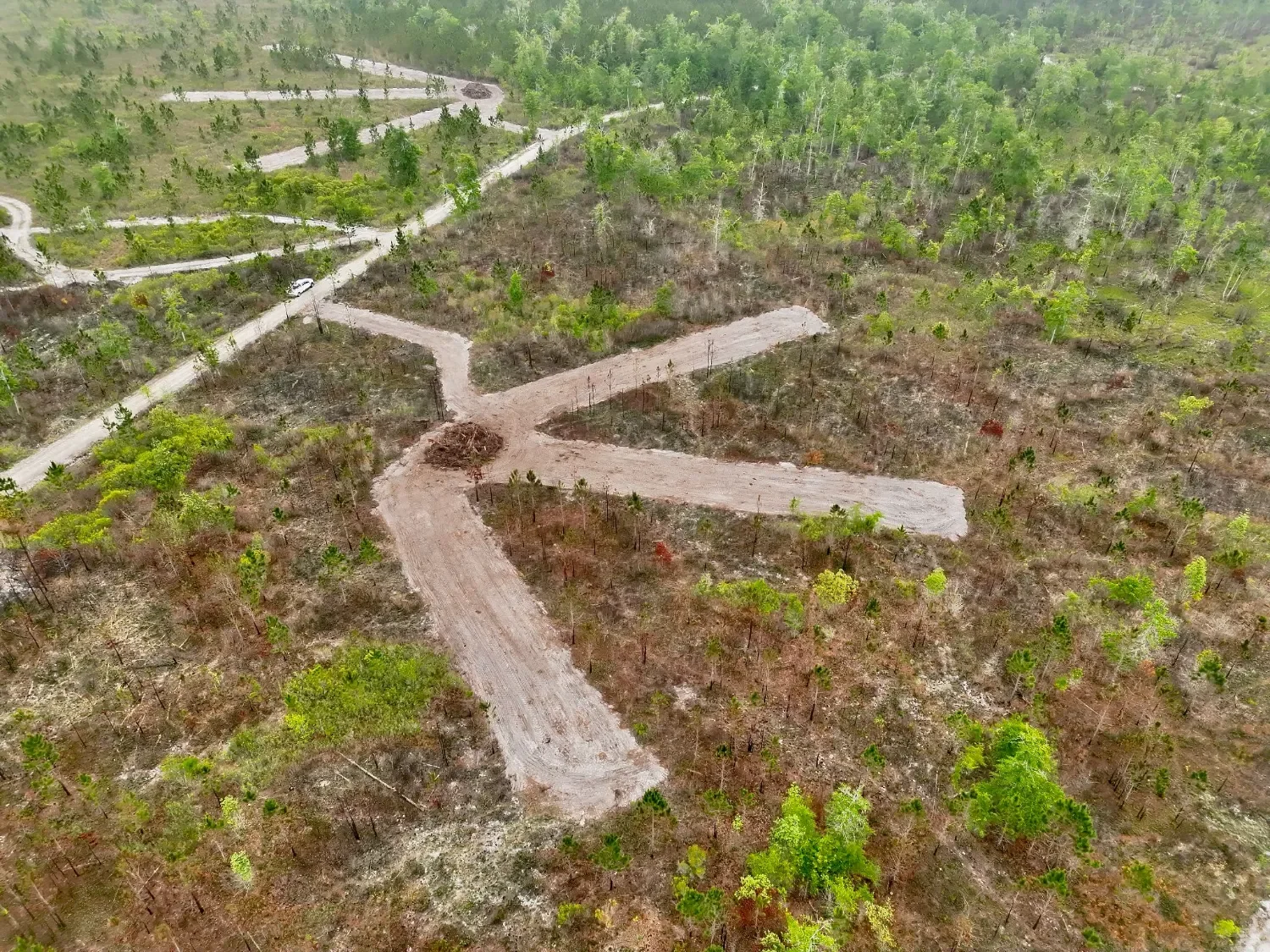
Case Study: Intentional Property Design for Deer Hunting
See how a well-designed food plot layout can maximize your hunting experience.
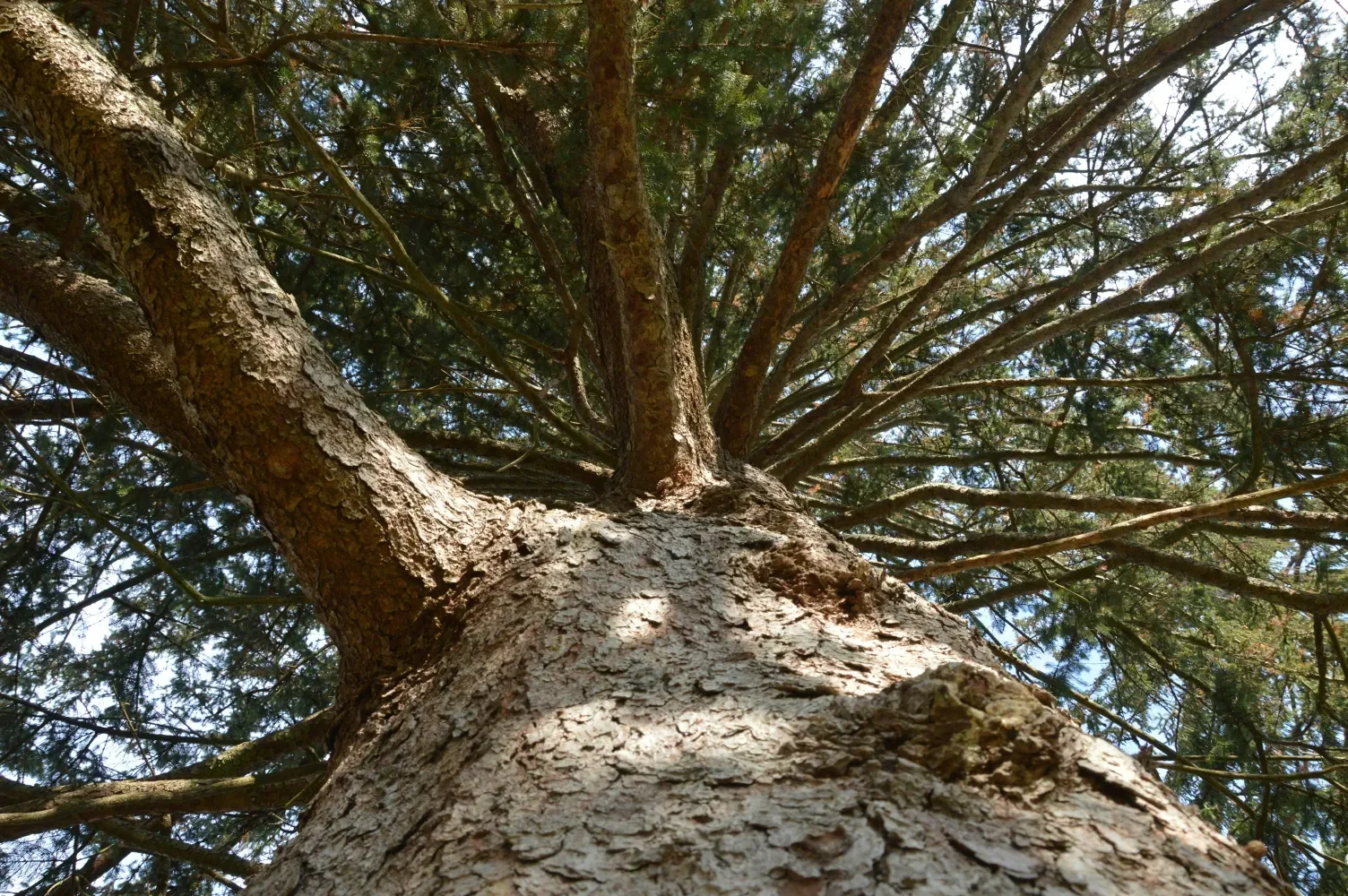
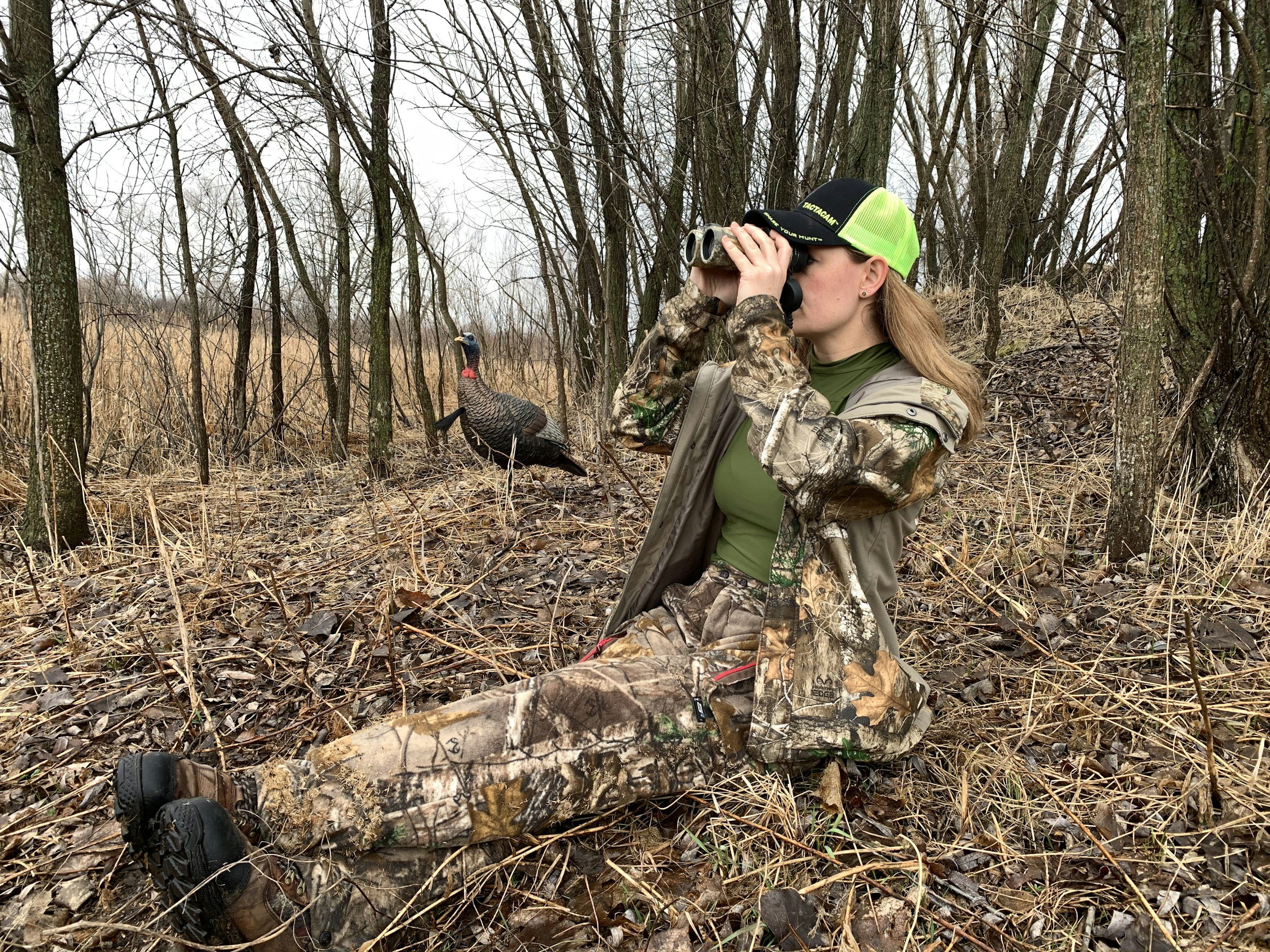
The Transition from Working Timber to Legacy Recreational Property
Taking a working timber tract to the point where it is a legacy-worthy recreational property is a true labor of stewardship and love. For many landowners, this process and watching the land transform is as enjoyable as the hunts they look forward to!
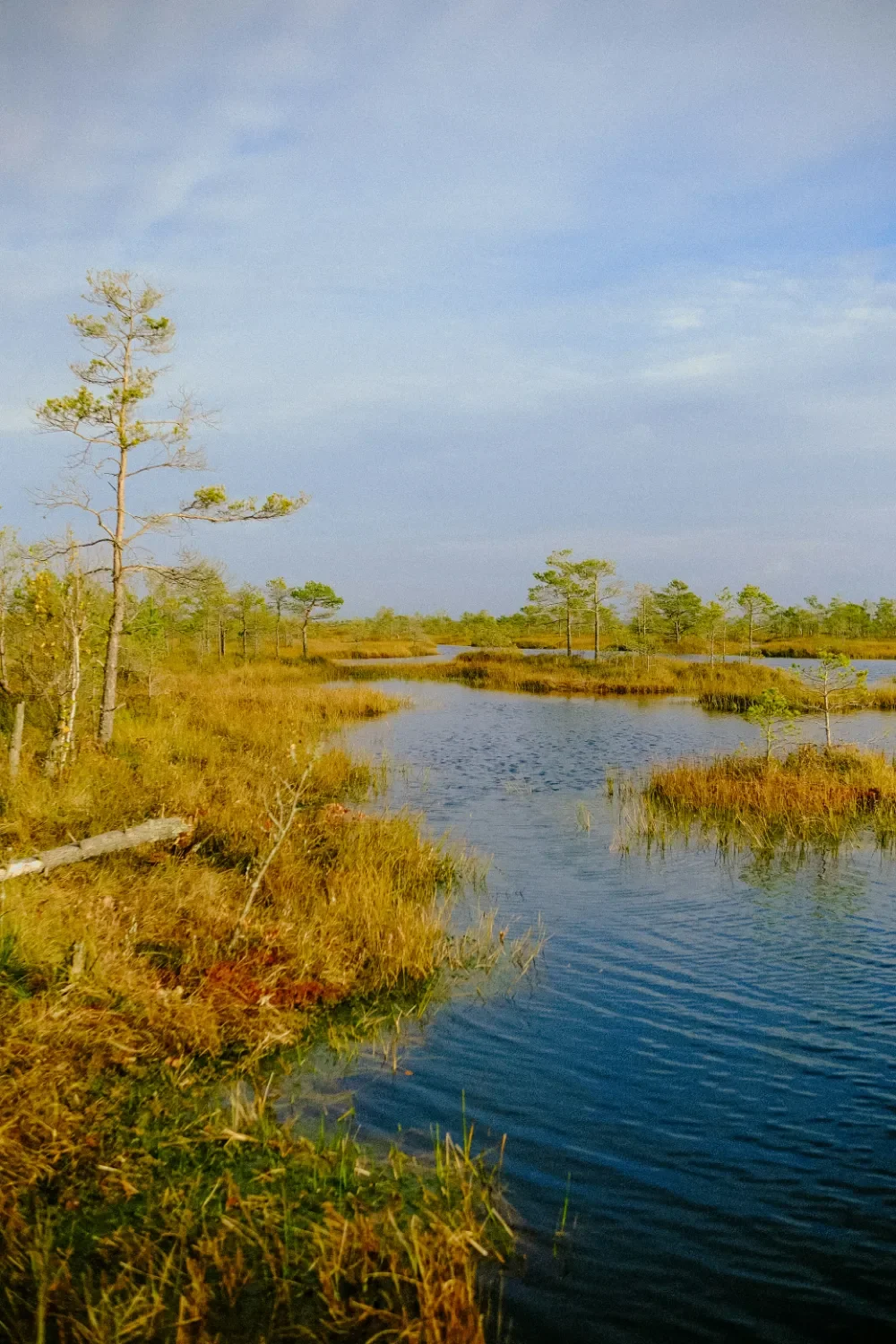
The Strategy of Recreational Diversity: Protecting the Legacy Estate
Recreational diversity is the strategic development of multiple outdoor activities on a single property to ensure year-round utility. By diversifying habitat and game assets, landowners mitigate environmental risks and protect property value.
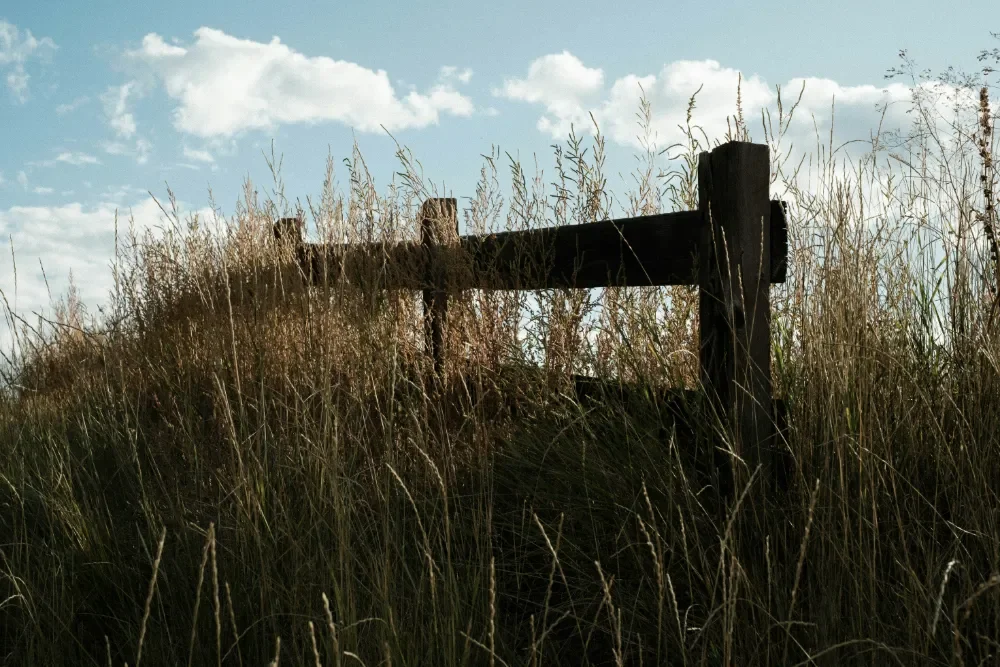
Old-Field Management vs. Food Plots: Why Native Forage Wins
It’s easy to look at a clean, manicured field of clover and feel like a good steward. Conversely, we look at a tangle of briars, ragweed, and tall grass, and feel like we’re failing.
But animals do not care about aesthetics. They care about nutrients and cover.
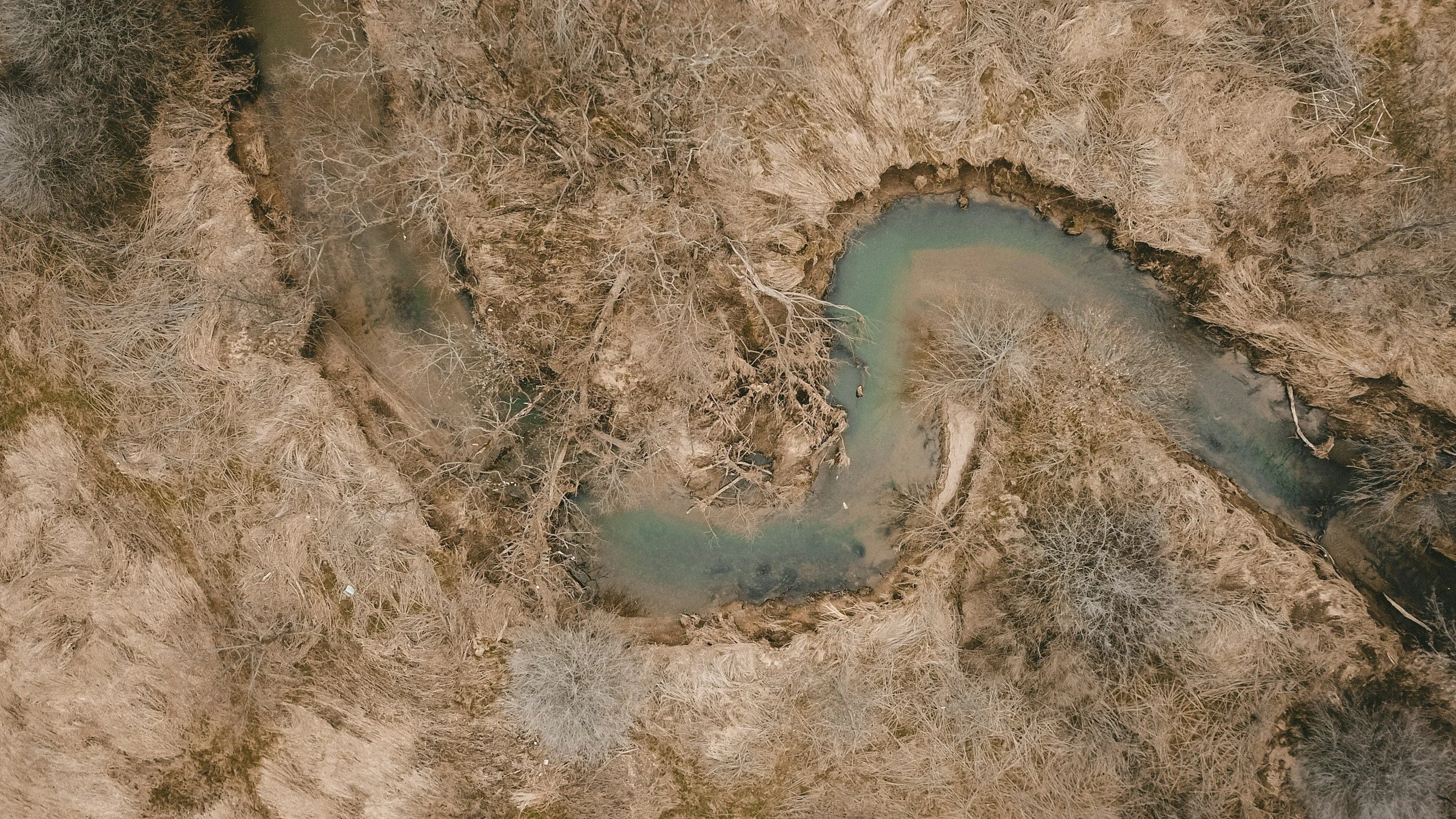
Lowcountry Land Stewardship: The "Dry Bottom" Opportunity
While no property owner welcomes drought conditions, the current situation and forecast offers an opportunity to do needed work to your land.
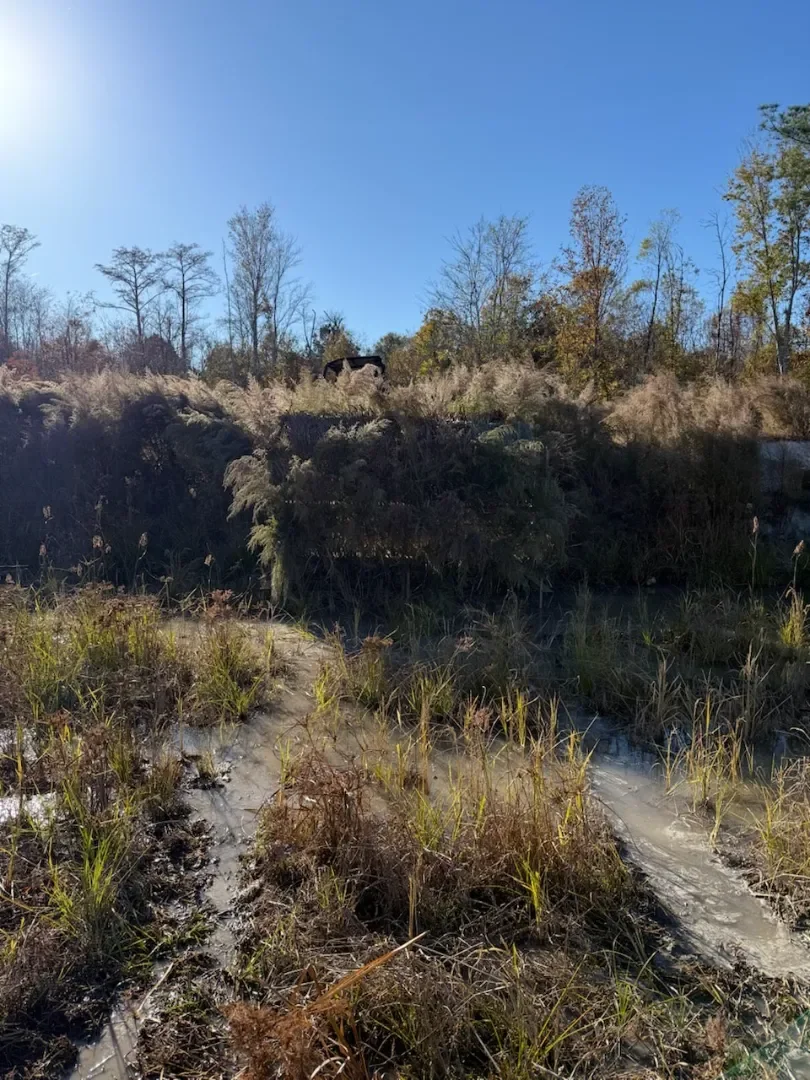
Why Here and Not There? 3 Common Impoundment Mistakes Sabotaging Your Waterfowl Hunts
We frequently see ponds as small as 15 acres holding 3,000+ ducks, while massive impoundments sit empty. The difference isn't luck; it’s engineering. Stop guessing and fix the three most common habitat mistakes (especially the "Benthic Error") that are pushing migrating birds to your neighbors.
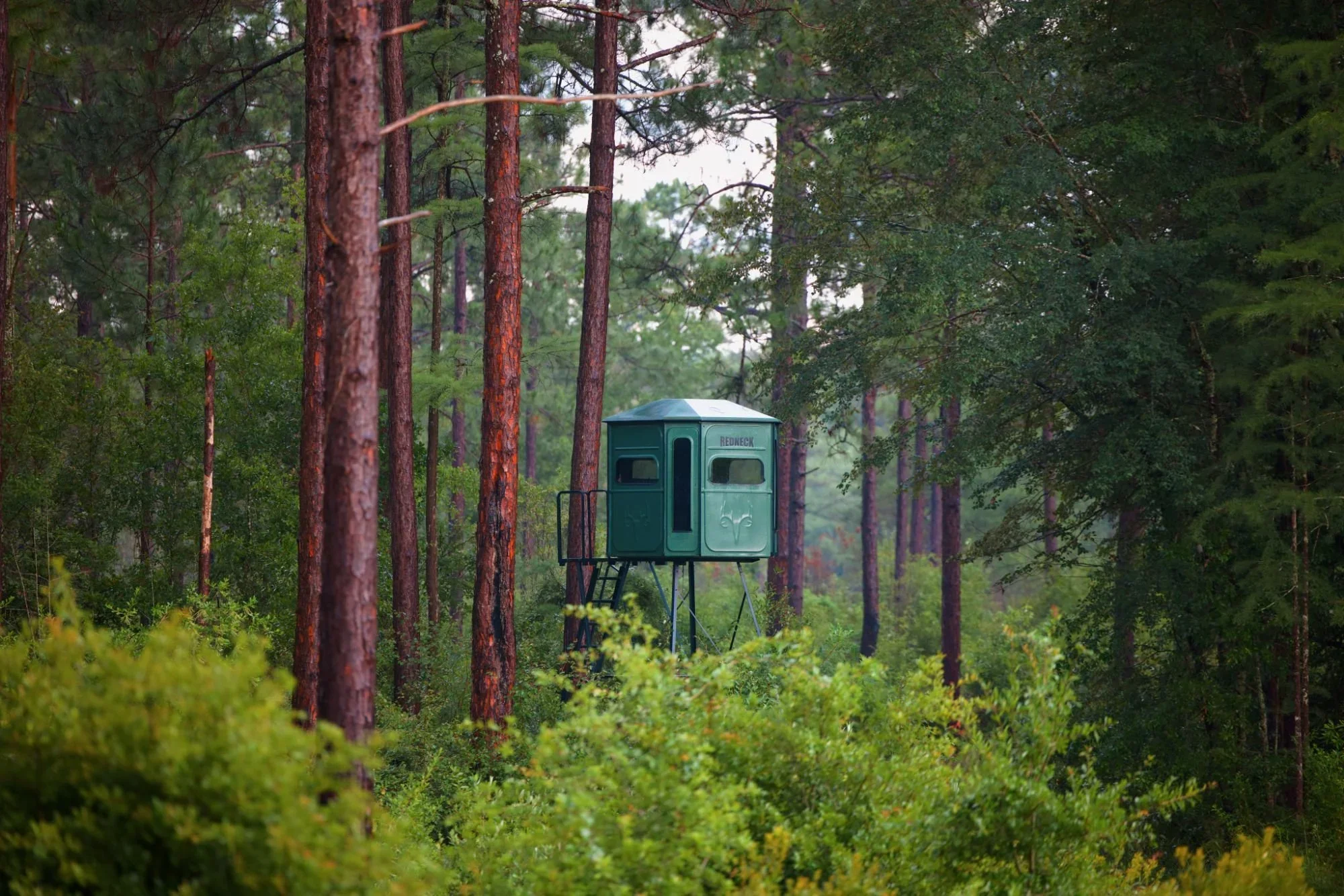
The acorn effect: why your deer harvest strategy needs to change this year
We’re in a masting year for hardwoods, which means your deer might not be near your food plots. Learn more about the relationship between masting and deer feeding, as well as tools to locate your does.

Growing trophy deer: How to unlock your property’s true potential
A common belief in the Southeast is that some areas are simply not capable of producing trophy-class deer. Landowners often assume they are limited by local genetics and are defeated before they ever start.
Based on our 24 years of hands-on experience, this is a limiting belief.
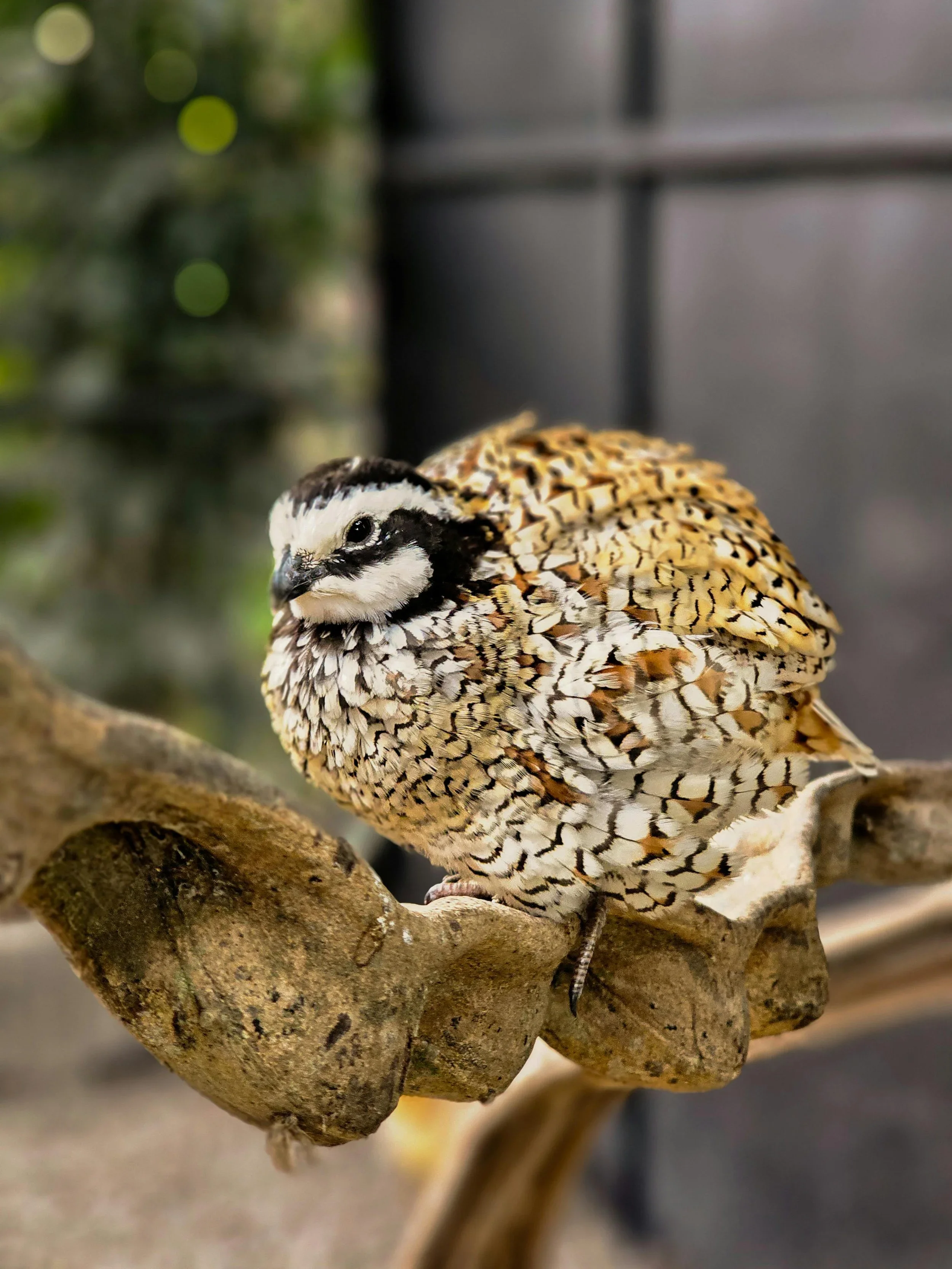
The bobwhite brood field conundrum: a strategic alternative to disking
Annual disking is a high-input activity. It represents a significant and recurring drain on operational budgets, requiring expensive heavy equipment, high fuel consumption, and extensive man-hours. More importantly, from a stewardship perspective, this practice degrades the long-term health and value of your land.