
The Best Food Plot May Not Be One You Planted
We talk with landowners all the time who share their hope for trophy-worthy bucks and turkeys on their property while also pointing out all the “weeds” they want to spray. The irony is that many of those same plants are among the most nutritious and valuable foods available to deer and turkeys. They are literally hoping to eliminate a treasury of free food plots.
For decades, we’ve been conditioned to believe that a clean field is a healthy field. But wildlife doesn’t thrive in clean fields; it thrives in diverse plant communities. Native forbs, broadleaf herbaceous plants that naturally occur across the Southeast, produce high-quality nutrition, attract insects critical for turkey poults, improve soil health, and create the structure that wildlife depends on throughout the year.
The challenge isn’t growing these plants; they grow quite well on their own. It’s learning to recognize them and their value.
Nature Already Knows What to Grow
Every property has a native seed bank waiting beneath the soil. When sunlight reaches the ground through timber thinning, prescribed fire, or light disking, many beneficial plants appear without spending thousands of dollars on seed.
Some of the most valuable native forbs include:
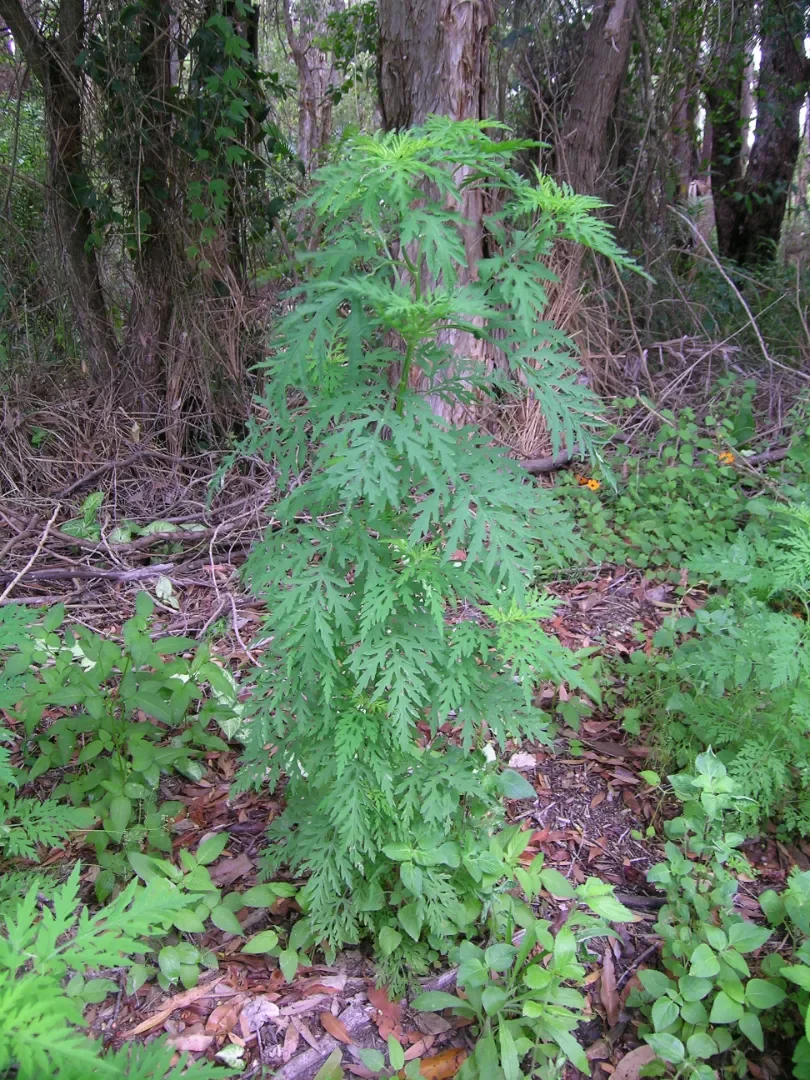
Your allergies may hate common ragweed (Ambrosia artemisiifolia), but deer love it. Photo by Harry Rose, used under CC 2.0 license.
Common ragweed (Ambrosia artemisiifolia)
Giant ragweed (Ambrosia trifida)
Partridge pea (Chamaecrista fasciculata)
Illinois bundleflower (Desmanthus illinoensis)
Desmodiums (beggar’s-lice)
Native lespedezas
Pokeweed (Phytolacca americana)
Jewelweed (Impatiens capensis)
Bidens (beggarticks)
Black-eyed Susan (Rudbeckia hirta)
Butterfly pea (Clitoria Mariana or Centrosema virginianum)
Many of the Asters
Wild lettuce (various species)
Wild strawberry (Fragaria virginiana and Frageria vesca)
Many of these plants are mistakenly sprayed because they’re lumped into the broad category of “weeds.” But as Chuck Harper pointed out in our recent masterclass for property owners and managers, they’re some of the most valuable wildlife plants your property can produce.
Why Deer Love Native Forbs
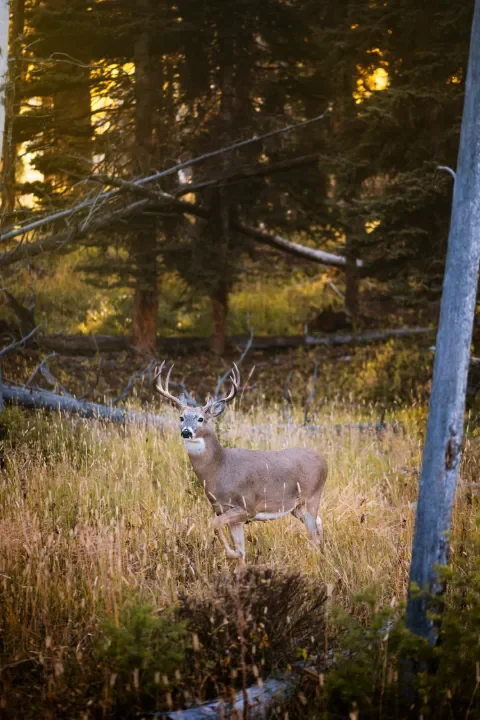
A diverse habitat of native forbs is a massive benefit to deer for growth and reproduction.
Unlike mature grasses, native forbs remain highly digestible and protein-rich during much of their growing season. As much as 70% of a deer’s diet may come from native forbs.
Many contain:
20-35% crude protein during active growth.
Highly digestible leaves and stems.
Excellent mineral content including phosphorus and calcium.
Continuous forage production throughout the growing season.
Deer naturally select these plants because they provide exactly what they need during antler growth, lactation, and fawn development.
Instead of spending hundreds of dollars per acre planting annual food plots, many landowners could dramatically increase available nutrition simply by encouraging the native vegetation that’s already present.
Turkeys Benefit Even More
While deer consume the plants themselves, turkeys benefit from something even more important: insects. Native forbs attract tremendous numbers of grasshoppers, beetles, caterpillars, spiders, and other invertebrates that turkey poults require during their first several weeks of life.
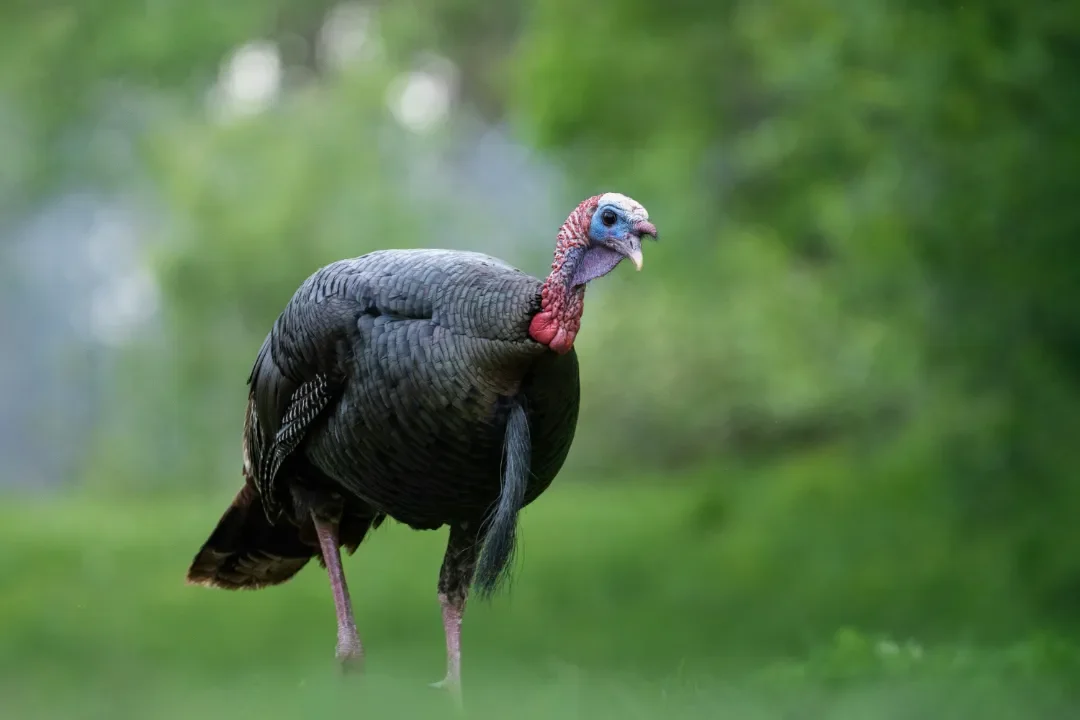
Turkeys get multiple benefits from diverse forbs on a property.
A brood field dominated by diverse native forbs becomes a buffet of insects. Fields dominated by dense sod grasses, on the other hand, often provide very little usable habitat for poults. Thick mats of grass restrict movement while producing fewer insects than diverse native plant communities. This is one reason prescribed fire and light disking consistently improve turkey nesting and brood-rearing habitat.
Diversity Beats Monoculture
Many landowners ask what the single best plant is for deer. The better question is: “How many beneficial plants do you have?”
A property containing 40 to 60 species of native forbs will outperform a property managed around one or two planted species almost every time. Different plants emerge at different times, tolerate different weather conditions, and respond differently to browsing pressure.
Diversity creates resilience. It also spreads nutritional availability across much more of the year.
Not Every Volunteer Plant Is Beneficial
Not every forb deserves protection. Aggressive invasive plants like tropical soda apple, cogongrass, Japanese stiltgrass, Chinese tallow, and other non-native invasives should be controlled before they dominate a site. Likewise, some annual weeds become problematic once they reach excessive densities.
Good habitat management isn’t about never spraying. It’s about knowing what to spray and what to leave alone. The most successful properties selectively control undesirable species while protecting and encouraging the native plants that wildlife evolved alongside.
Learn to See Your Property Differently
We love the “aha” moment when landowners understand the value of working with nature rather than trying to fight it or force it into a human-designed pattern. Once someone learns to identify beneficial native plants, they stop looking at a field full of “weeds” and start seeing deer groceries, turkey habitat, pollinator resources, and healthier soil.
That shift in perspective changes every management decision that follows, and it is the core of our philosophy of land management. Stewardship is often a complex task of nurturing the resources that are already available and supplementing where needed.
But before spending another dollar on seed, fertilizer, or herbicide, you need to ask yourself one question: What is my property already trying to grow? You may discover that the best wildlife food plot you’ve ever had was waiting there all along.
If you’re unsure which plants should be encouraged and which should be controlled, that’s exactly where we can help. Schedule a free 15-minute introductory call with Private Land Management, and we’ll determine whether your property is a good fit for our management program. The right decisions today can save years of wasted effort and unlock the full wildlife potential of your land.