
Georgia’s Timber Industry is in Upheaval, and Wildlife May Pay the Price
Georgia’s timber industry has long been the backbone of rural communities, supporting landowners, mills, loggers, and wildlife habitat across the state. But today the industry is facing one of its most challenging periods in decades as mill closures and declining demand continue to pressure timber markets.
As a landowner or manager, this downward pressure hits a sensitive spot: the trees growing on your property today may be worth far less tomorrow than anyone imagined just a few years ago. And this creates a host of related secondary problems in the areas of wildlife management, property value, and long-term stewardship.
A Growing Crisis for Georgia Timber
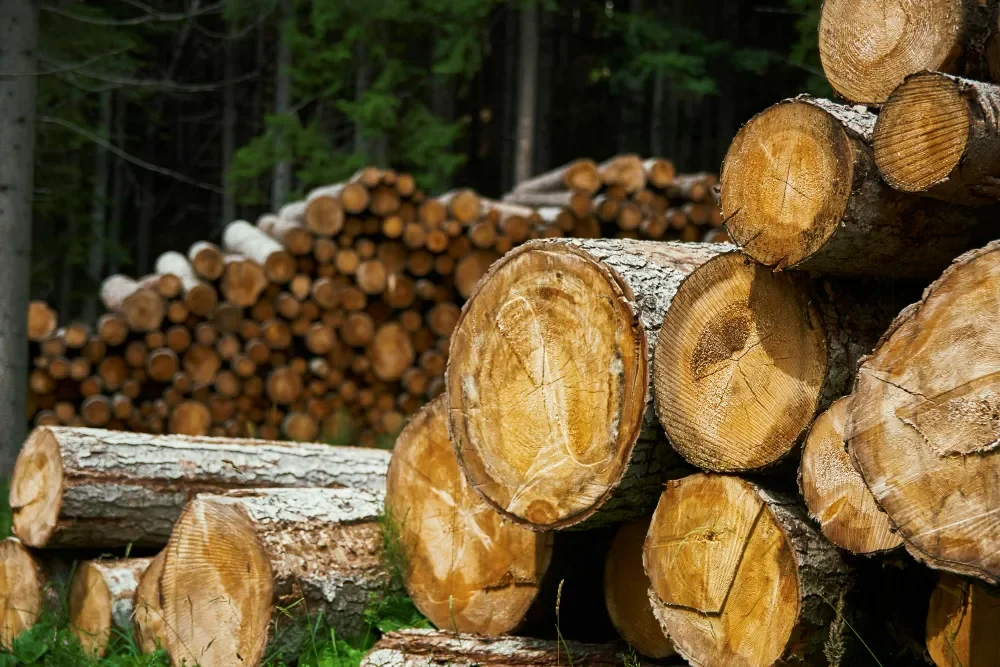
Mill closures in Georgia are resulting in surplus timber and depressed markets, causing financial pressure for landowners
Georgia has experienced several major mill closures that have dramatically reduced demand for timber products. International Paper announced the closure of its Savannah and Riceboro facilities, while Georgia-Pacific shuttered its Cedar Springs mill in Early County. Together, these closures removed millions of tons of wood consumption capacity from the market and displaced hundreds of workers. As a result, industry experts estimate that more than 4.5 million tons of Georgia-grown timber effectively lost a home annually, impacting logging operations and landowners across the state.
Several factors have contributed to the downturn in demand:
Increased use of recycled fiber products
A significant boom in newly constructed mega pulp mills in South America and Asia
Lower demand for traditional paper products
More efficient manufacturing processes
Slower construction activity in some sectors
Industry consolidation among major paper companies
Quite simply, more timber is growing now than is being harvested in the US, and there are fewer buyers competing for those trees.
The impacts are especially noticeable throughout Coastal Georgia and Southwest Georgia, where many landowners historically relied on these mills as primary markets for their timber.
Why Wildlife Will Feel the Impact Next
The immediate pain from these closures is job loss, and for the families impacted, that is a serious burden. These mills have been significant economic drivers in their communities and will not be easily replaced.

Species like whitetail deer have benefited from active forest management practices.
For landowners and managers, the implications may take slightly longer to develop, but they are coming; and if you fall into that category, you need to start thinking about lost revenue and habitat today.
For many Georgia landowners, timber revenue funds the conservation work that keeps properties healthy and productive. Income from timber sales often pays for:
Prescribed burning
Food plots
Invasive species control
Timber stand improvements
Road maintenance
Pond management
Habitat enhancement projects
When timber prices decline, management budgets often disappear.
Approximately 93% of acreage in Georgia is privately owned, and the unfortunate reality is that wildlife habitat rarely improves when those landowners lose income. Prescribed burns get delayed, thinning projects are postponed, invasive species spread, and habitat quality declines over time. Georgia's wildlife has benefited tremendously from active forest management over the past several decades. Whitetail deer, wild turkey, quail, and countless non-game species thrive in habitats created through intentional timber management practices. Without the financial incentive and revenue to actively manage forests, those habitat improvements become increasingly difficult to maintain.
The Landowners Who Plan Now Will Win Later
While the current timber market is challenging, landowners are not powerless.
The most successful property owners are taking a long-term approach by focusing on strategic forest management, wildlife-focused planning, and diversified revenue opportunities. They are exploring cost-share programs, conservation tax credits, carbon credits, additional hunting leases, and other avenues that can fill the gaps. We have always maintained that diversification of revenue streams for private land is critical, and this situation bears that out. Rather than reacting to short-term market conditions, landowners who diversify their revenue are positioning their properties to remain productive both financially and biologically for years to come.
Periods of uncertainty often create opportunities for landowners who have a clear management plan in place. Decisions made today can help protect future timber value, improve wildlife habitat, and reduce costly mistakes down the road.
Professional Guidance Matters More Than Ever
Many landowners are entering unfamiliar territory. The management strategies that worked during strong timber markets may not be the strategies that protect your property's value moving forward.
At Private Land Management, we help landowners evaluate their timber resources, wildlife habitat, and long-term goals to create a plan that works regardless of market conditions.
The best time to develop a management strategy is before declining timber revenue creates problems that take years to correct.
Schedule Your Free 15-Minute Consultation
If you own land in Georgia and are concerned about declining timber markets, wildlife habitat, or the future value of your property, now is the time to develop a plan.
Schedule a FREE 15-minute consultation with Private Land Management to determine whether your property qualifies for our client program.
We'll discuss your property, your goals, and whether our management approach is the right fit for your situation.
Don't wait until lost timber revenue limits your ability to manage your land and wildlife habitat. Book your free 15-minute call today and find out if you qualify to become a Private Land Management client.