
Why Here and Not There? 3 Common Impoundment Mistakes Sabotaging Your Waterfowl Hunts
“The only thing better than a day in the duck blind is two days in the duck blind.”
Building a productive waterfowl impoundment requires precise engineering, not just water. Whether you are actively preparing for the next migration or planning a new property build, optimizing your wetlands is the difference between a legendary season and an expensive disappointment.
Enticing ducks to land on your property after they have flown hundreds, if not thousands, of miles is a tricky proposition. It leads to one of the most frustrating questions in land management: Why do migrating waterfowl prefer some ponds and lakes over others?
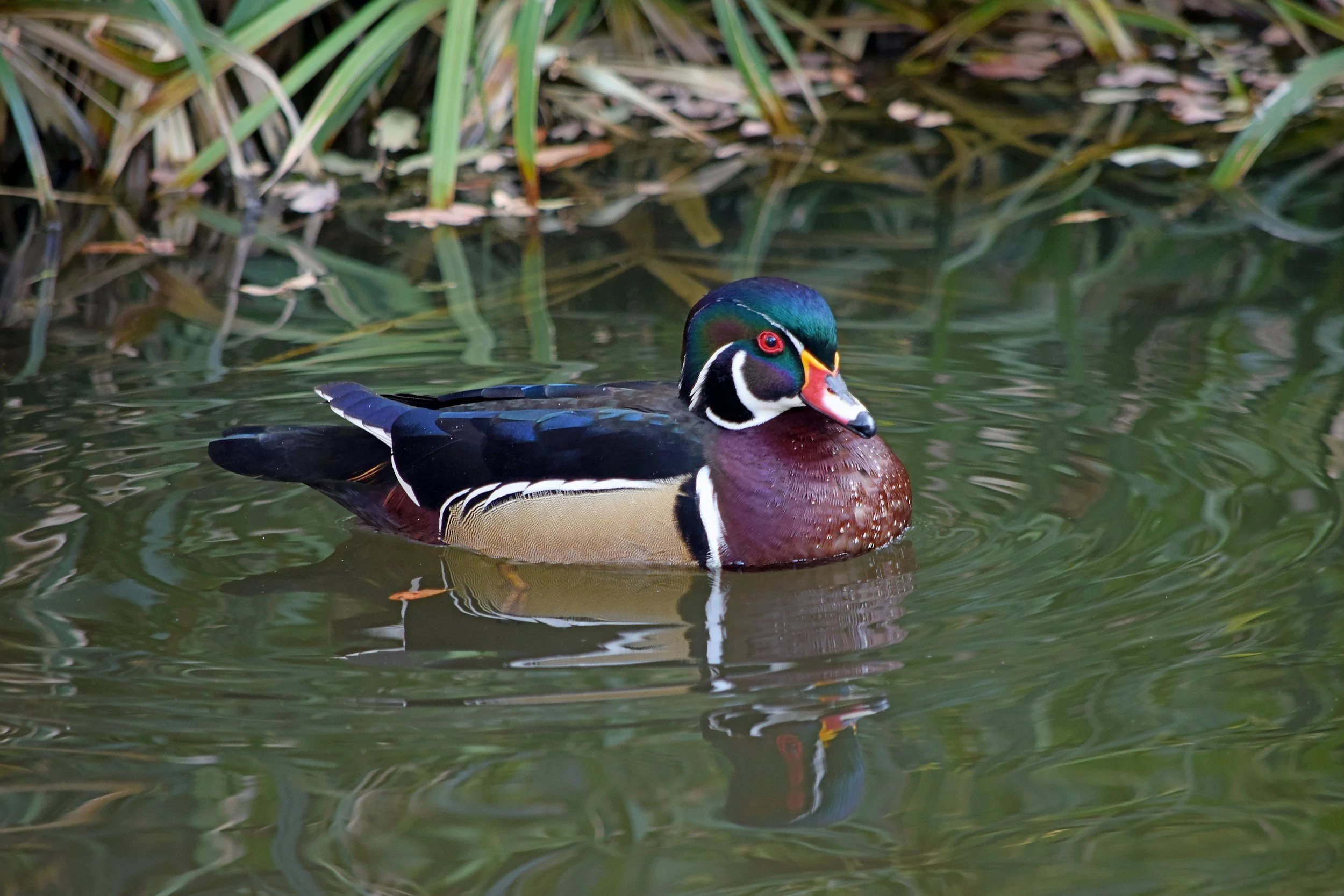
Is your impoundment attracting ducks during this migration season?
Over the last couple of decades, building impoundments specifically for duck hunting has become standard practice. Sportsmen across the US have been exposed to the "plant, grow, and flood" formula. Yet, we frequently see ponds as small as 15 acres holding 3,000+ ducks, while massive 100-acre impoundments sit quiet with only a few passersby.
The difference isn't luck. It's engineering. Here are the three most common mistakes we see that turn productive wetlands into dead zones.
Mistake 1: Lack of Loafing Cover (Corn is not safety)
Corn is food. It is not cover.
Ducks are incredibly sensitive to pressure, which comes in many forms. While we often think of hunting pressure from humans, avian predators (hawks, eagles) and mammalian predators (particularly bobcats) take their fair share.
If you look at a flooded corn pond from above (i.e, the view the duck has), it is easy to spot everything hiding in the rows. If a duck cannot feel secure, it will not stay. If you are experiencing birds roosting on your pond initially and then vanishing, a lack of "loafing cover" is likely your problem.
The Fix: You must integrate true thermal and visual cover into the impoundment design. Ducks need safe zones where they can hide from overhead threats. A strategic impoundment provides thick, natural vegetation alongside the food source, allowing birds to rest without stress.
Mistake 2: Flooding Beyond 12-18 Inches (The "Benthic" Error)
This is the most common technical error we see. There is a misconception that more water equals more ducks. In reality, depth dictates accessibility.
The 18-Inch Rule Dabbling ducks (Mallards, Pintails, Teal) are capable of knocking grain down, but they cannot dive deeply to retrieve it. If your water exceeds 12 to 18 inches, your expensive grain crop simply rots on the bottom, inaccessible to the birds you are trying to attract.
The Protein Gap: Grain vs. Invertebrates Depth control isn't just about the grain; it's about the benthic layer (the bottom sediment). This layer houses aquatic invertebrates that provide essential protein. While we focus on carbohydrates (corn), ducks need protein to survive the migration.
Corn/Grains: Provides ~8-15% Crude Protein
Benthic Invertebrates: Provides ~40-60% Crude Protein (Dry Weight)
By managing water levels correctly, you unlock this massive, free protein source.
Mistake 3: Blinds That Stand Out
By the time migratory birds reach our southern states, our northern counterparts have taken their fair share. These are educated birds. They have seen every remote-controlled spinning widget on the market, had $5 shot zoom past their beaks, and they have taken notes.
The least we can do is hide.
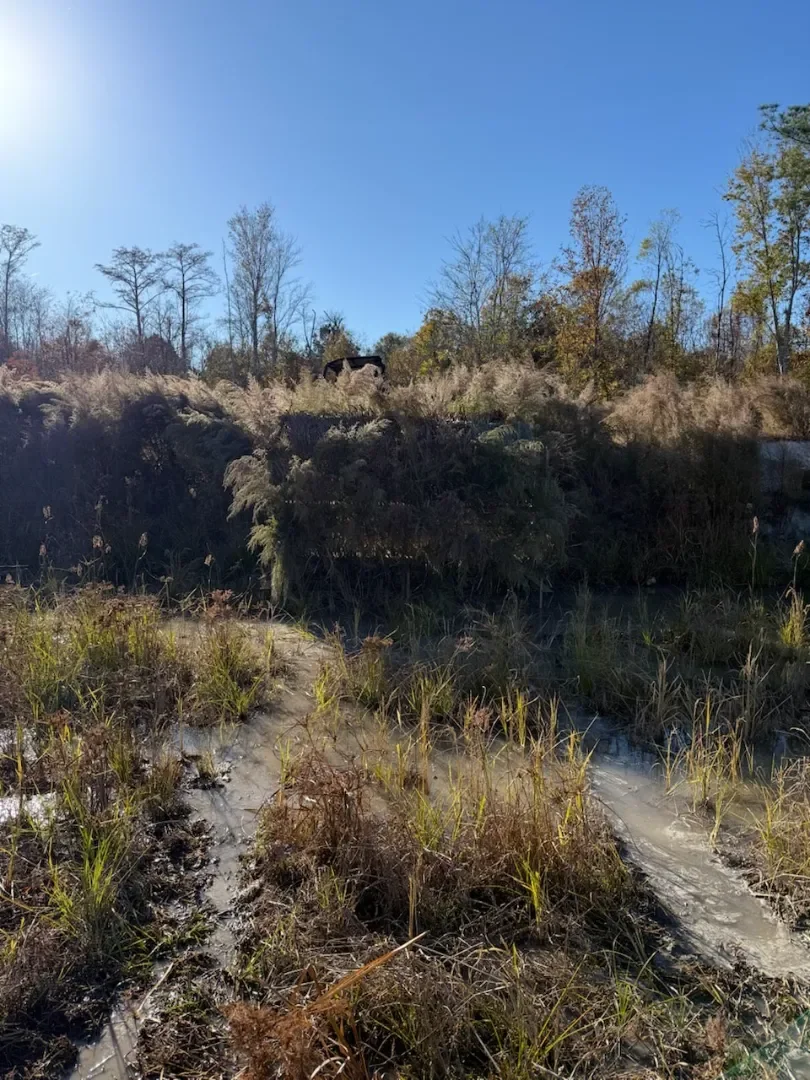
A well-camouflaged blind
Most blinds in these impoundments are permanent structures. If they stand out, they do so all day, every day, educating every flock that flies over your property even when you aren't hunting.
The Fix: You must use vegetation from the specific area you are hunting to brush in your blinds.
Don't use palm fronds in a corn pond.
Do use corn stalks, natural brush, and local grasses
If your blind looks like a foreign object, it acts as a scarecrow, pushing birds to the next property before they even lock up their wings.
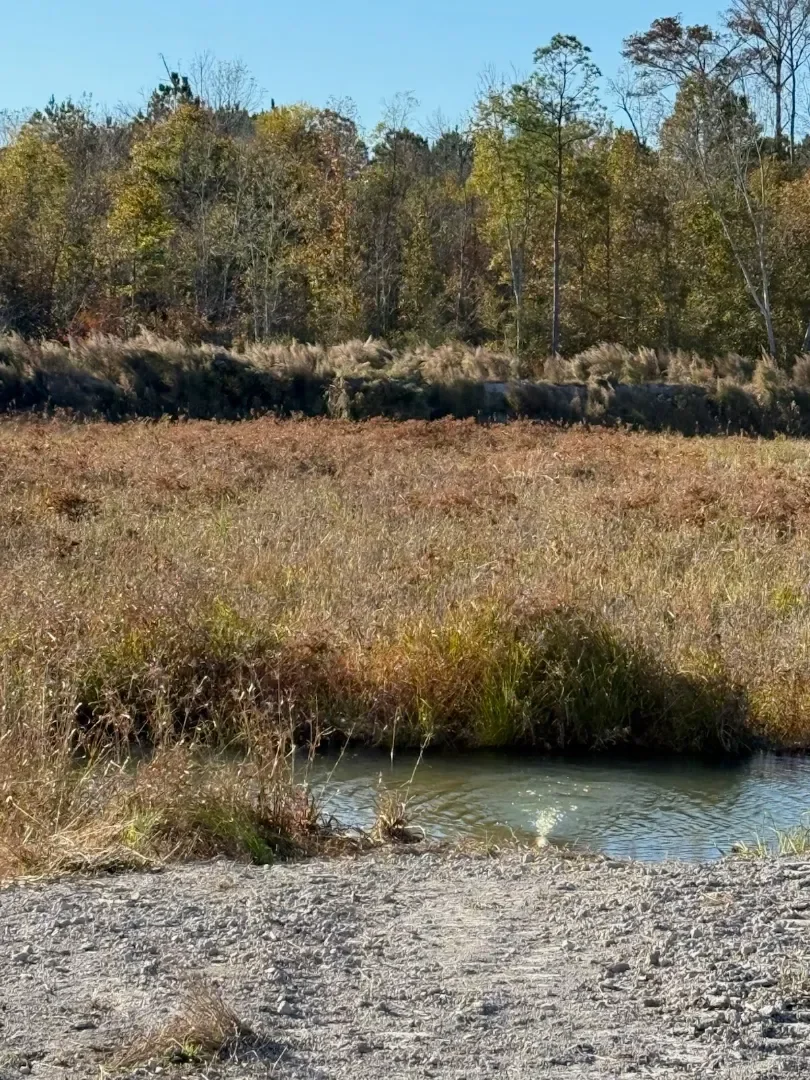
A well-camouflaged blind seen from across the impoundment
Stop Guessing: Engineering a Sustainable Wetland
The most successful duck impoundments work with nature, not against it. Instead of relying solely on expensive annual crops, our [waterfowl habitat management] focuses on engineering sustainable wetlands that offer the right mix of food, depth, and security.
Is your impoundment sitting quiet while the neighbors are shooting?
It’s time to look at the science behind your setup. Contact Private Land Management today for wetland engineering services that turn a frustrating duck hole into a prime waterfowl impoundment.