South Carolina Wildlife & Habitat Management Services

Is Your Land Holding Game, or Just Growing Trees?
A Green Desert is a forest that looks healthy to the human eye but functions as a food desert for wildlife.
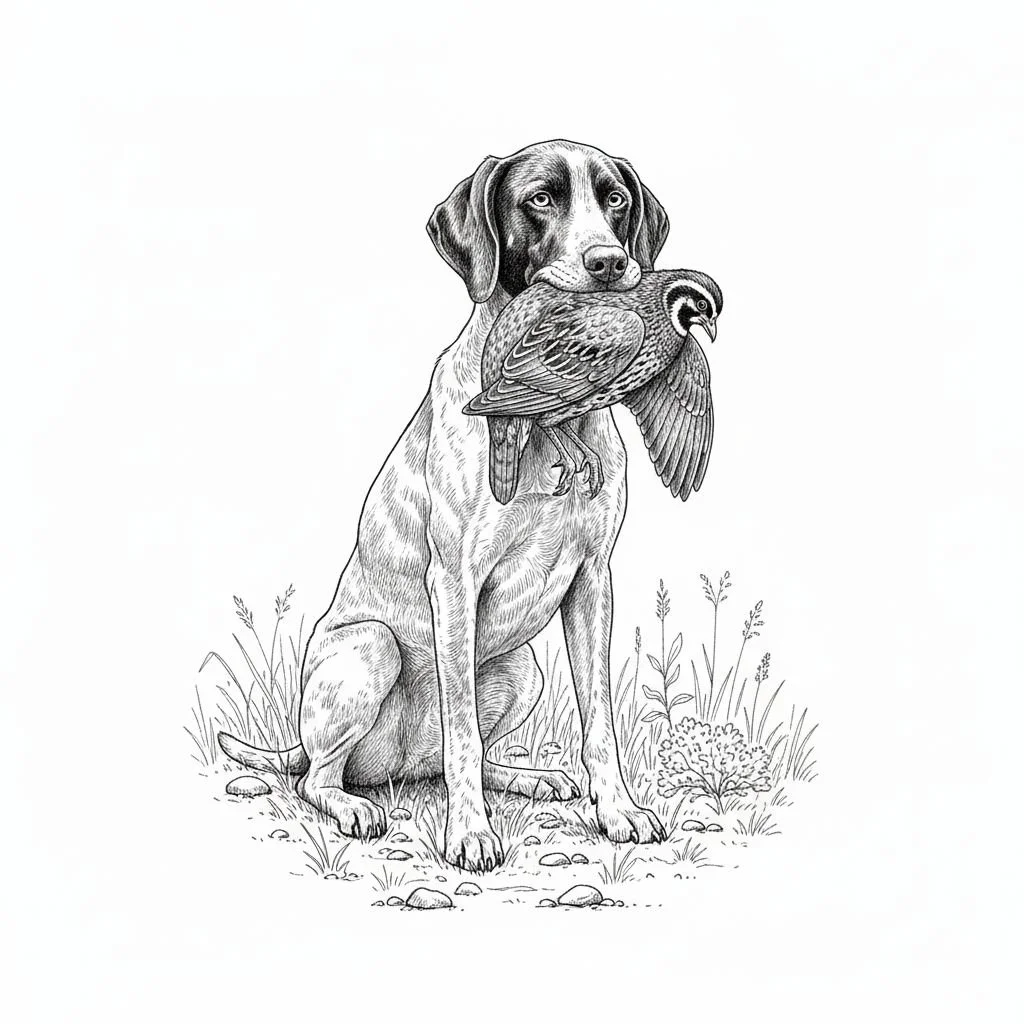
You have a picture in your head: flushing coveys, heavy deer, and a healthy ecosystem. But often, landowners unknowingly manage for aesthetics rather than carrying capacity.
In the Lowcountry: You see thick pine stands, but they lack the brood cover for quail or native plants your deer herd needs to build mass.
In the Piedmont: You are likely fighting hardwood encroachment that chokes out the forest floor, leaving wild turkeys with nowhere to nest.
There is nothing more frustrating than a high-performance asset that underperforms. If you aren’t seeing the game, it’s not bad luck. It’s a missing piece in your ecosystem.
We don’t guess. We engineer the habitat.
South Carolina is not one single landscape. A management plan for Aiken won't work in Anderson. At Private Land Management (PLM), we act as The Steward's Strategist, customizing our approach to the soil under your boots.
The Soil Strategy: Sandy soils leach nutrients fast. Instead of forcing standard food plots that fail, we focus on high-retention soil amendments and drought-resistant native legumes like Partridge Pea and Florida Beggarweed that create a sustainable forage base.
Fire as Fertilizer: In the pine savannas of Hampton and Colleton counties, fire is the engine. We utilize prescribed burning to keep the understory open, allowing turkeys to move and avoid predators.
Waterfowl Nutrition: For impoundments, we manage salinity and drawdowns to encourage high-energy foods like Smartweed, Barnyardgrass, and Sedges, ensuring your property holds birds throughout the season.
Lowcountry Land Management (Coastal Plain & Sandhills)
The Soil Advantage: The nutrient-rich soils of the Piedmont naturally produce larger whitetail body weights than the coast. However, without a strong native forage base, you will not see the potential results.
Fighting the "Green Wall": Invasive plants like privet, stiltgrass, and kudzu can overtake a Piedmont understory. We use selective herbicides and Timber Stand Improvement (TSI) to open the canopy. This allows sunlight to hit the ground, regenerating the native plants your wildlife thrive on.
Erosion Control: We turn historic erosion scars into asset corridors, stabilizing gullies with native ground cover and mast-producing hardwoods that feed deer late into the winter.
Piedmont Land Management (Upstate & Midlands)
Kind words from our clients
““They transformed our property... opened our woods to create proper quail habitat and established a plan for food plots, dove fields and turkey habitat... The team is hard working, friendly, talented and knowledgeable... It has been and continues to be an extremely positive experience working with the whole team.””
A Property That Performs
When the strategy matches the region, the land wakes up.
Financial Health: Hunting lease values increase when the game population supports the price.
Ecological Wealth: You see it in the field, with wild coveys rising from the wiregrass and heavy bucks cruising the hardwood drains.
Legacy: The satisfaction of knowing you didn't just buy a property; you built a legacy.
Frequently asked questions about SC wildlife management
-
Forestry focuses on maximizing timber volume and financial return from wood products. Wildlife management focuses on maximizing the "carrying capacity" of the land to support healthy populations of deer, turkey, quail, and waterfowl. At PLM, we often balance both, but the primary goals are distinct.
-
Food plots in the SC Lowcountry often fail because sandy soils leach nutrients before plants can absorb them. Instead of standard lime and fertilizer, we recommend high-retention soil amendments and drought-resistant native species like Partridge Pea and Ragweed. This ensures an adequate food supply for your game species.
-
Prescribed burning helps quail by clearing thick leaf litter and exposing mineral soil. This process stimulates the natural seed bank and encourages the growth of native perennial grasses and forbs, which provide essential brood cover and food for quail chicks.
Let’s Look at Your Map.
You don’t need a sales pitch. You need an honest assessment of your soil, your timber, and your wildlife carrying capacity. We treat your land with the same savvy we’d apply to our own.
Let’s get in the truck and see what we can find.