Old-Field Management vs. Food Plots: Why Native Forage Wins
The most expensive trap in land management is the desire for "pretty."
It’s easy to look at a clean, manicured field of clover and feel like a good steward. Conversely, we look at a tangle of briars, ragweed, and tall grass, and feel like we’re failing.
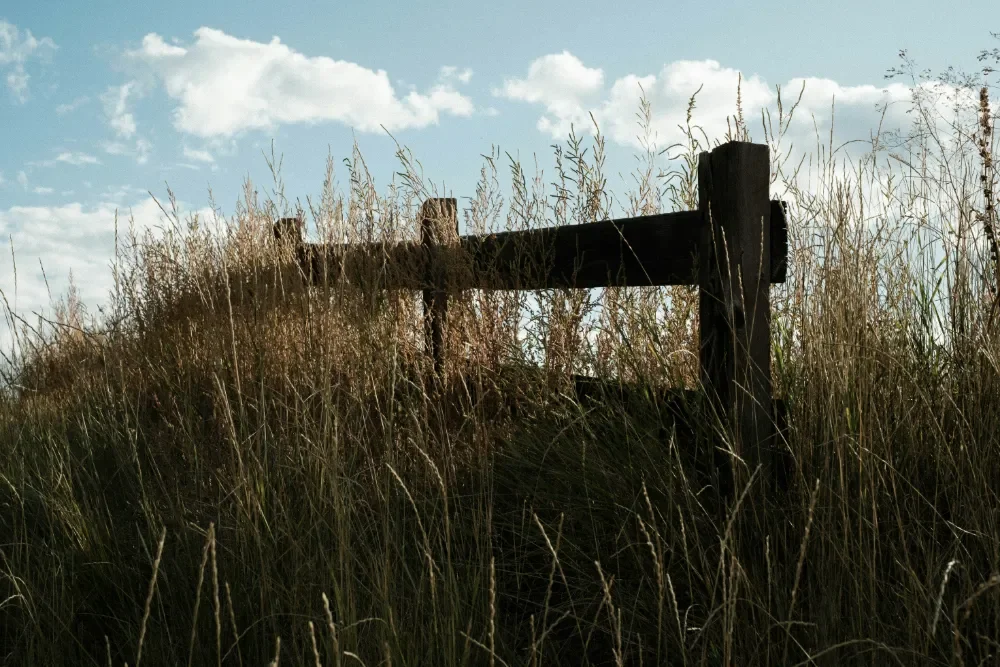
Old-field approaches can be a great option to improve your property’s wildlife capacity.
But animals do not care about aesthetics. They care about nutrients and cover.
While food plots have their place, they are often a calorie-expensive, labor-intensive attempt to force a non-native system onto your land. The best groceries for your herd are likely already in the seed bank, waiting for you to get out of the way.
We are revisiting our 2023 conversation with Garden & Gun because the principles of Old-Field Management are more relevant now than the day the article was published. In "Going Native for Deer," PLM founder Jason Hewett breaks down why "farming" wildlife yields diminishing returns compared to managing the native landscape.
What is Old-Field Management?
Old-Field Management is the practice of disturbing the soil to stimulate early successional plant growth. Instead of planting expensive non-native cultivars, you utilize disturbance (disking, burning, canopy reduction, and in some cases chemicals) to wake up the native seed bank.
The ROI of "The Mess": Native Vegetation Results
When PLM founder Jason Hewett was managing the nearly 15,000 acres at Clarendon Farms, the strategy wasn't to buy more seed. It was to disturb the soil and let the sunlight in.
He stopped mowing manicured rows. He disked specific fields . He let the "weeds" grow.
The biological results were impressive. The native seed bank, which had been suppressed for years by mowing, woke up. In the first year, the response was explosive.
“There was so much volunteer goldenrod, ragweed, and dog fennel coming up that a clutch of quail poults or a deer fawn would never be seen. And you couldn’t count the number of songbird and pollinator species you might see.”
You might call that a weed patch. A biologist calls it high-quality brooding cover and high-protein forage. By the second year, the results were seen in outstanding deer, turkey, rabbit, and quail hunts.
Key Native Species: What Grows in the "Mess"?
Why does this beat a food plot? Because native "weeds" are often more drought-resistant and nutrient-dense than the expensive cultivars we ship in on pallets.
By encouraging these specific plants, Jason created a self-sustaining ecosystem:
Ragweed: A high-protein powerhouse often preferred by deer over commercial crops.
Beggar’s Lice: Provides critical seed production for upland birds and turkey and nearly 30% crude protein for deer.
Dog Fennel & Goldenrod: Offers overhead cover and screening that fawns and poults need to survive predation.
Jason didn’t just save the cost of fertilizer; he exploded the population of quail, turkey, and deer by aligning with the land’s native capacity.
The Takeaway: Change Your Philosophy
If you are staring at your spring budget and wondering why input costs keep climbing while antler size stays flat, it is time to look at Old-Field Management.
You don't always need a planter to build a legacy buck. Sometimes, you just need to understand what the land is trying to give you for free.
Read the full breakdown in Garden & Gun: “Going Native for Deer.”
FAQ: Common Questions on Native Land Management
-
Yes, to the untrained eye. However, "clean" land is often a biological desert. A messy, early-successional habitat holds more wildlife per acre than manicured woods.
-
In many cases, yes. Native plants like Ragweed can offer comparable or higher protein levels during critical growing months without the need for lime, fertilizer, or replanting while also providing essential cover needed to survive predation.
-
Start by parking the mower. Select areas to disk or burn to expose mineral soil to sunlight, which triggers the germination of native seeds dormant in the soil. Timing is key to both of these tools.
-
No. Old-Field Management is an overall approach to wildlife stewardship. You can absolutely still introduce shooting lanes and small clearings to facilitate your hunts. But these are the exception to the overall landscape, not the bulk of your property.