
The Strategy of Recreational Diversity: Protecting the Legacy Estate
The Vulnerability of the Singular Focus
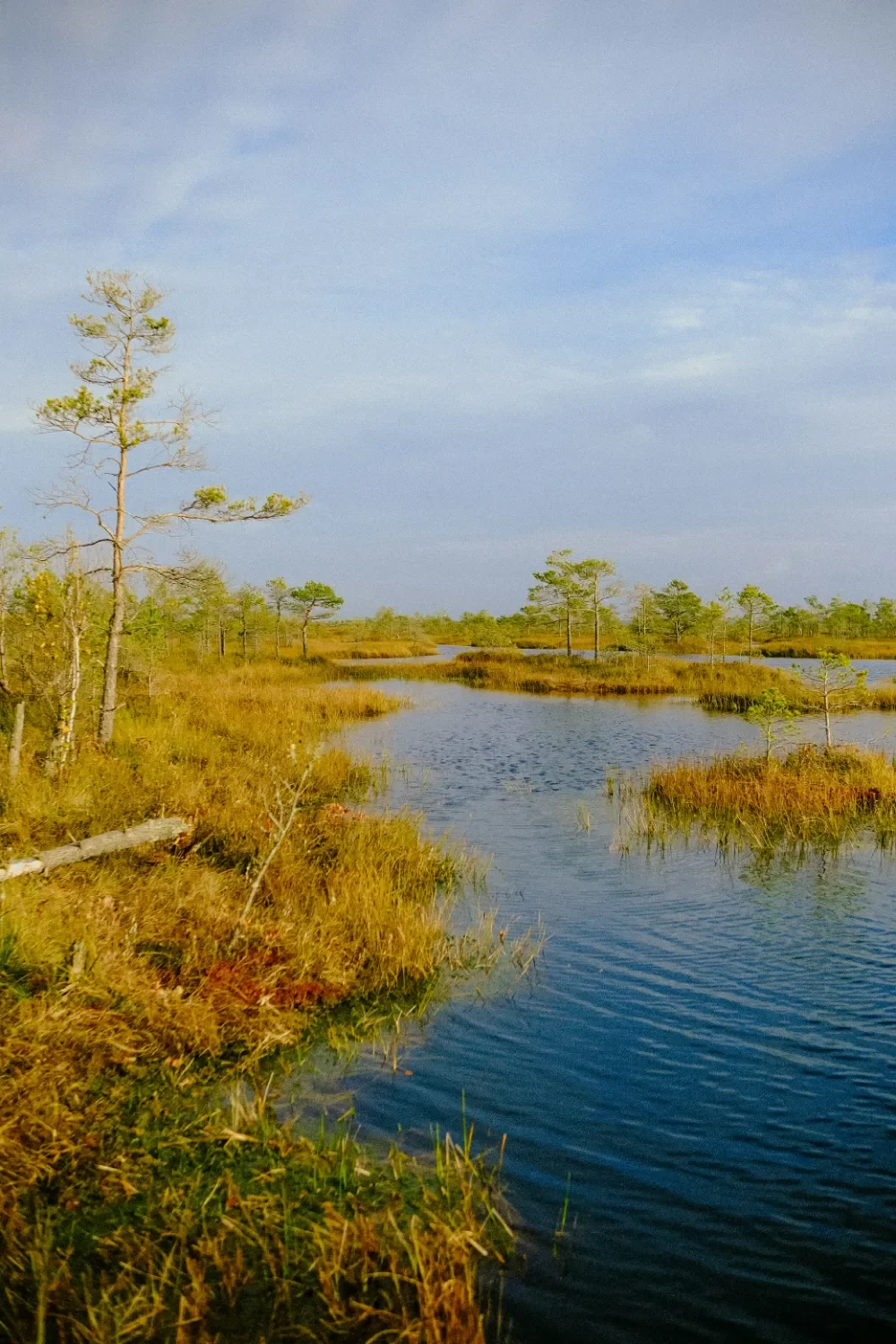
A Varied landscape affords a number of recreational opportunities
Reliance on a single recreational feature transforms a legacy property from a source of pride into a source of logistical anxiety. When land is managed for only one outcome, whether it’s the perfect quail flight or the ideal deer stand, ownership becomes a high-stakes gamble against the elements. If that single variable fails, the entire experience collapses. Imagine it’s November in the Lowcountry, and you’ve promised some friends a legendary hunt. But instead of a crisp autumn breeze, you’re met with 78-degree humidity and stagnant air that leaves the dogs sluggish and the birds buried in the brush. The "perfect" weekend is dead on arrival. Owning land without a backup plan is to be a spectator to your own frustration.
The Logic of the Diverse Portfolio
True stewardship is the art of building a "multi-asset" ecosystem that performs across every season. Just as a financial advisor diversifies a portfolio to weather market volatility, a land strategist diversifies habitat to weather environmental shifts. Recreational diversity is the intentional development of overlapping opportunities that ensure the property’s value is never tied to a single weather pattern. By integrating managed timber, varied game habitats, and water features, you protect both the ecosystem and your investment. This is the difference between owning a timber tract and a high-end estate; it is the transition from a "one-trick" property to a resilient property. Diversification isn't just a management style; it’s an insurance policy for your enjoyment of your land.
The Mastery of the Pivot
The mark of a premier property is its ability to offer a "tactical audible" when nature refuses to cooperate. A diversified property doesn't force a hunt that isn't there; it shifts the focus to where the energy is actually moving. This requires a layout designed for transitions in which water, woods, and open fields work in a unified rhythm. On a diversified estate, the change of plans is never a disappointment; it’s a new discovery.
To bridge the gap between a "tough weekend" and a legendary one, we can use a variety of tactical pivots:
Managed Waterways: When unseasonable heat stalls the quail flight, you head to the bass pond. A well-managed waterway provides a high-energy alternative that thrives when the woods are quiet.
Habitat Variation: In late December, when a massive acorn crop keeps deer locked deep in the hardwoods and away from food plots, you pivot to a wood duck hole in the swamp or a late-season dove shoot.
Asset-Light Alternatives: Diversification doesn’t always require a seven-figure construction budget. We utilize "early successional" areas (natural pockets of brush and young plants) for rabbit hunting or 3D archery courses winding through the timber.
The Vision of the Long Horizon
Effective land strategy requires a partner who sees the property’s potential through the lens of decades, not days. Many owners are paralyzed by "management silos"—vendors who see only the timber, or only the ponds, or only the food plots. A strategist integrates these silos, analyzing soil types and topography to find hidden pockets of recreational opportunity that others overlook. We don't plan for next Saturday; we plan for the year 2055. We look at the "early successional" brush and see a future rabbit hunt or a 3D archery course winding through the pines. Our goal is to ensure that when you pull through the gate, the answer to "What are we doing today?" is never "Nothing."
Interested in making sure your property is optimized for your enjoyment? Contact us today to start your strategic plan.
Frequently Asked Questions About Diversifying Recreational Opportunities
-
It mitigates the risk of "asset downtime" caused by weather or seasonal shifts. By diversifying recreational opportunities, landowners protect the property’s appraisal value and ensure consistent utility for guests and family.
-
Topography dictates drainage and habitat potential. A Land Strategist uses topographic data to identify where to sit a pond, where to plant food plots, and where to maintain timber for maximum game movement.
-
These are low-cost enhancements that utilize existing natural features, such as clearing "early successional" brush for small game hunting or mapping 3D archery trails through existing timber stands.