
The Transition from Working Timber to Legacy Recreational Property
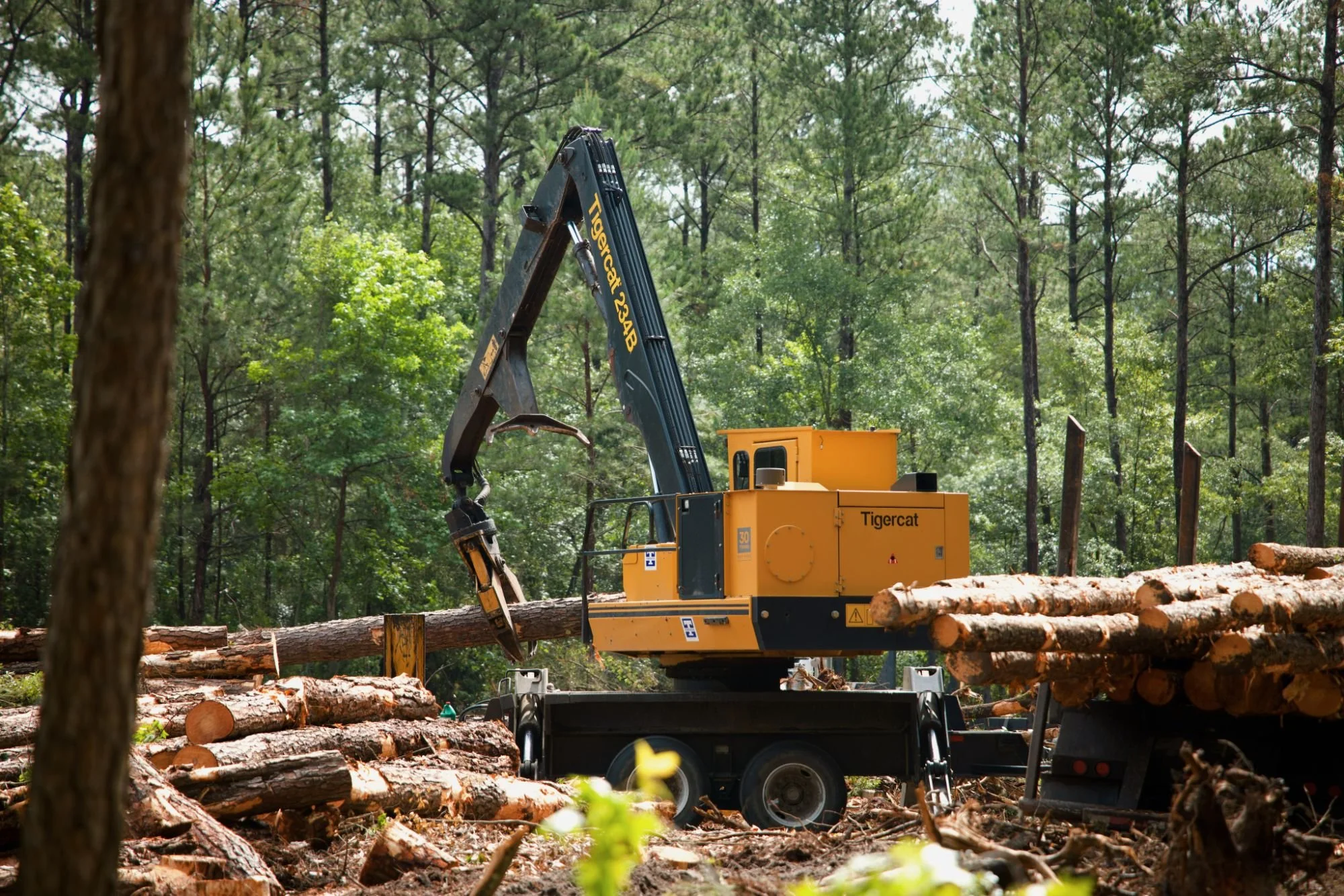
How do you move from a property that is only defined by the value of the timber to an outdoorsman’s paradise?
Taking a working timber tract to the point where it is a legacy-worthy recreational property is a true labor of stewardship and love. For many landowners, this process and watching the land transform is as enjoyable as the hunts they look forward to!
Step 1: Embrace the Long Game
When you first start dreaming about the possibilities in your property, it’s easy to jump straight in and start making changes. But the best approach to developing a property’s recreational value is steady and methodical. Remember that nature grows in seasons, then rests, then grows more. By accepting these rhythms, you work with nature rather than forcing it to human schedules. The good news is that there are actually many different rhythms happening in different areas of your property, and progress can be made in any season.
Step 2: Get Good, Well-Rounded Data
Before a single tree is cut down, the most important thing you can do is get a clear picture of the current state of the property. Without wanting to scare you off, developing a recreational property is high-stakes, delicate work. Trees do not grow overnight. Wildlife populations don’t usually skyrocket in a single season. A mistake in this work can be costly, damaging your assets and setting back your goals. Getting a clear picture of the current state of the property is essential to avoiding those setbacks.
There are several tools that can give you the data needed to make informed choices.
GIS Mapping gives clear direction on when, where, and which type of disturbance to implement. Think of our maps like a blue print. With accurate plans, your can build a great property, whether you’re relying on our managed vendors or sourcing them yourself.
Timber Cruises show your property’s current timber resources. Aids in creating revenue projections, cutting schedules, and establishing a basis for new purchases.
Drone Thermal Imaging shows you where the wildlife currently live and move on your property, indicating areas needing even more care.
Taken together, these data points can give a more complete picture of your property so that choices aren’t based on guesswork.
Step 3: Make a Financial Plan
One of the first and most important uses for the data is developing a financial plan for how to pay for the property’s development. Nurturing a top-tier recreational property is an investment and does require significant financial input. But that does not mean that investment has to come entirely out of your pockets. Ideally, much or all of the financing for this work comes from the property itself, and in the best situations the property’s development is a self-sustaining cycle of re-investment.
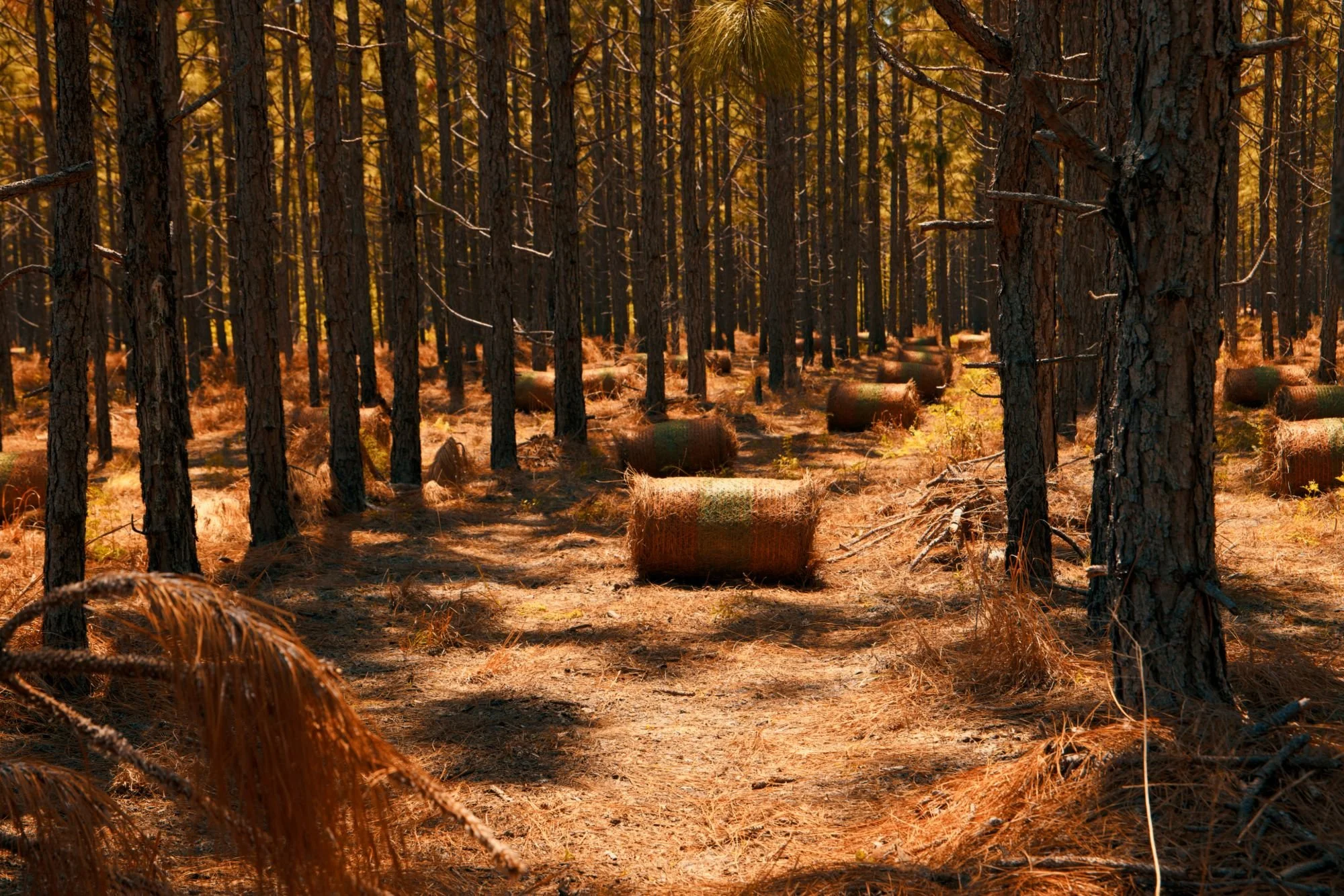
Pine straw leases can help to fund your property’s development
Often, the data gathered in the previous step points to multiple possible revenue streams to fund the work. Examples of possible revenue generators already existing on a property include:
Timber Sales
Pine Straw Leases
Hunting Leases
Carbon Credits
Cost Share Programs through USDA, NRCS, and NGO’s
It is at this point that a strategic consultancy like Private Land Management, Inc. truly starts to shine. Navigating the financial options for property development can be a tricky process. A siloed forestry specialist may not have the knowledge to develop the recreational opportunities. The additionality required for carbon credits may make the NRCS programs a better choice in a particular circumstance. The fees paid to a consultancy that understands these programs and how to maximize the revenue from your property can be repaid several times over by developing the right funding streams.
Step 4: Develop the Roadmap
After the funding plan is in place, a strategic roadmap can be drawn up. Why does funding come before the plan? Because the funding approach will dictate both the scope and timeline for the work. If a carbon credit program is going to fund a significant portion of early work, we don’t want to harvest the trees until another revenue stream reaches maturity. The funding approach will often dictate what can be done and when the work can begin.
Still, setting the roadmap is often an exciting part of the process for property owners. Finally you can see in much more detail what transformations will be happening to your land. When the steps are laid out, it’s much easier to see how your vision is going to be made real. Drawing up the roadmap alongside your strategist is an excellent time to further explore your vision and hopes for your recreational property. A good strategist will improve your property; a great strategist will help you reach your unique goals for the land.
Step 5: Embrace Adaptability and Change
Once the work begins, it is critical that all parties keep a flexible attitude. At Private Land Management, Inc we live by a simple philosophy: we work with nature; we can’t control it. While we develop a solid roadmap and plan for contingencies, there is still a need for flexibility. Nature has a way of throwing us curves. As the recent drought conditions in Alabama, Georgia, and South Carolina have illustrated, sometimes an unexpected dry season can mean some projects are postponed even as the weather makes new opportunities arise.
One of the biggest challenges that owners have to overcome is the sunk cost fallacy, the belief that we have to continue an approach or keep a piece of infrastructure because resources have already been put into it, even if it has little or no possibility for generating returns or advancing the goals for the property. It is easy to look at a road on the property and see the money and time that went into making it; but if that road is now interfering with your wildlife’s need for seclusion, it has become a liability, and it is time to let it go.
Step 6: Enjoy!
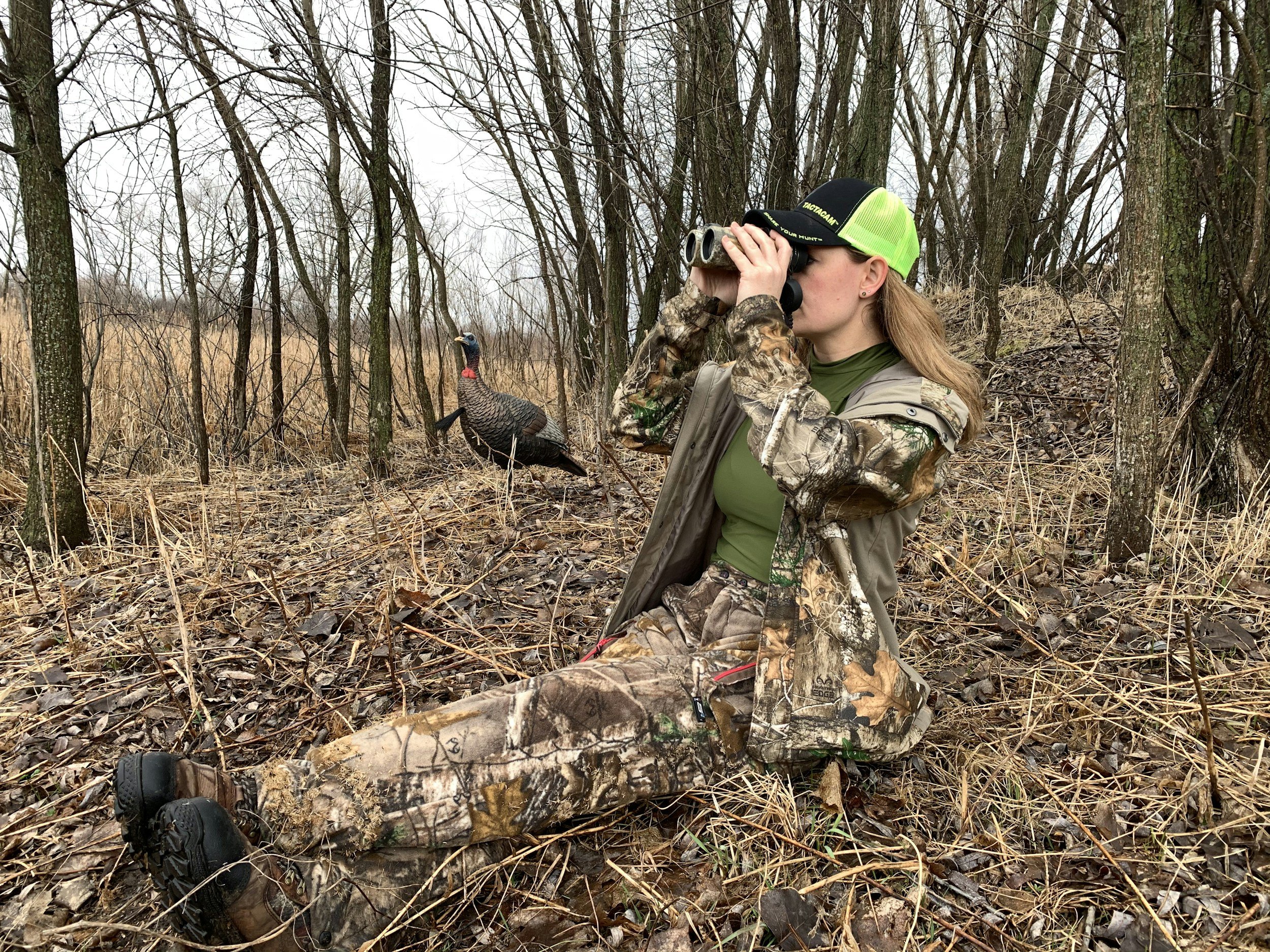
As your property evolves, the opportunities to enjoy it will evolve, as well. Great hunts are just one benefit!
Even as your property is changing and improving, there will be lots of opportunities to enjoy it along the way. This is not a “wait until it’s finished to get satisfaction” kind of work. As we work toward long-term goals, you will see changes. Your hunts will improve. Your property will become a place where you can enjoy spending time and more importantly, making memories. Enjoy the transformation. Enjoy making new discoveries and memories.
We look forward to working with you to make your recreational property a true source of joy for you and future generations!
Frequently Asked Questions
-
A property management consultant reduces out-of-pocket costs by identifying and activating underutilized revenue streams already present on the land. While a siloed specialist might only see timber value, a strategic consultant at Private Land Management, Inc. evaluates the interplay between Forestry, pine straw leases, carbon credits, and Wildlife Management programs. By navigating complex additionality requirements and USDA/NRCS cost-share programs, a consultant ensures the property’s development becomes a self-sustaining cycle of reinvestment rather than a personal liability.
-
The funding plan must always precede the improvement schedule because the specific revenue sources dictate the project's scope, timing, and sequence. For example, if a carbon credit program is selected to fund early restoration, certain timber harvests must be delayed to meet compliance standards. By establishing the financial roadmap first, Private Land Management, Inc. ensures that the development "roadmap" is grounded in reality, preventing "sunk cost" errors and ensuring that every habitat improvement is fully funded before the first machine hits the dirt.
-
A prime recreational property is developed using three core data pillars: GIS mapping, timber cruise analytics, and wildlife population data.
GIS Mapping provides the topographic "blueprint" needed to plan infrastructure without disrupting natural flow.
Timber Cruises establish the financial basis and harvest cycles for long-term revenue.
Drone Thermal Imaging identifies existing wildlife bedding areas and travel corridors. Taken together, these data points allow Private Land Management, Inc. to make surgical improvements that enhance the land's recreational value while protecting its natural character.